Está atualmente a visualizar o Portugal versão do sítio.
Gostaria de mudar para o seu sítio local?
Última edição


Free Sample Issue
Experimente uma amostra GRATUITA de Classic Military Vehicle
Experimente uma amostra GRATUITA

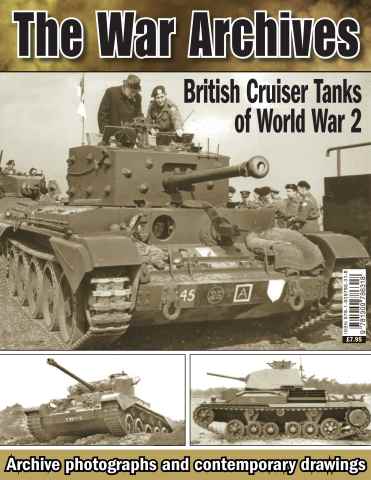
Classic Military Vehicle Magazine The War Archives: British Cruiser Tanks of World War 2 Edição especial

English
36 Comentários   •  English   •   Aviation & Transport (Automotive)
Only €7,99
Developed according to a specifi cation drawn up
by Lieutenant-Colonel E D Swinton, and
designed by William Tritton, the tank was the
brainchild of Winston Churchill, then First Lord of the
Admiralty. Churchill hoped that his massive, armoured
‘landships’ would be able to break the stalemate that
was the inevitable result of the opposing armies
becoming entrenched on the Western Front.
The name, ‘tank’, was derived from the cover story
that the machines, which were initially built by
William Foster & Company and the Metropolitan
Carriage, Wagon & Finance Company, were water
tanks intended for use in Mesopotamia.
The fi rst tanks went into battle with the British
Army on the Somme in 1916 and, by the end of the
war, hundreds of these machines had been
constructed and deployed, with varying degrees of
success. Production ceased after the Armistice in 1918
although the development of medium tanks, as well
as a smaller, faster machine, described as a light
infantry tank, continued. Strict controls on military
expenditure during the 1920s meant that any
development was slow, but, by the end of the decade,
a consensus had emerged that saw light tanks being
developed for infantry support, with faster, so-called
medium tanks intended for a more mobile role.
By 1937, this policy had progressed further, with
the War Offi ce describing three types of machine...
light tanks were intended for the scouting and
reconnaissance role; cruiser tanks were designed to
break through enemy lines and to exploit targets of
opportunity; and infantry tanks, as the name
suggests, were intended to support advancing
infantry.
It soon became clear that the light tank was of very
limited value and, aside from the airborne role, this
type of machine was not developed further.
read more read less
Classic Military Vehicle Preview Pages Classic Military Vehicle Preview Pages Classic Military Vehicle Preview Pages Classic Military Vehicle Preview Pages Classic Military Vehicle Preview Pages Classic Military Vehicle Preview Pages Classic Military Vehicle Preview Pages Classic Military Vehicle Preview Pages

Classic Military Vehicle

The War Archives: British Cruiser Tanks of World War 2 Developed according to a specifi cation drawn up by Lieutenant-Colonel E D Swinton, and designed by William Tritton, the tank was the brainchild of Winston Churchill, then First Lord of the Admiralty. Churchill hoped that his massive, armoured ‘landships’ would be able to break the stalemate that was the inevitable result of the opposing armies becoming entrenched on the Western Front. The name, ‘tank’, was derived from the cover story that the machines, which were initially built by William Foster & Company and the Metropolitan Carriage, Wagon & Finance Company, were water tanks intended for use in Mesopotamia. The fi rst tanks went into battle with the British Army on the Somme in 1916 and, by the end of the war, hundreds of these machines had been constructed and deployed, with varying degrees of success. Production ceased after the Armistice in 1918 although the development of medium tanks, as well as a smaller, faster machine, described as a light infantry tank, continued. Strict controls on military expenditure during the 1920s meant that any development was slow, but, by the end of the decade, a consensus had emerged that saw light tanks being developed for infantry support, with faster, so-called medium tanks intended for a more mobile role. By 1937, this policy had progressed further, with the War Offi ce describing three types of machine... light tanks were intended for the scouting and reconnaissance role; cruiser tanks were designed to break through enemy lines and to exploit targets of opportunity; and infantry tanks, as the name suggests, were intended to support advancing infantry. It soon became clear that the light tank was of very limited value and, aside from the airborne role, this type of machine was not developed further.


SELECCIONAR FORMATO:
Acesso imediato

Ofertas digitais disponíveis:

Edição especial digital The War Archives: British Cruiser Tanks of World War 2
 
7,99 / issue
Esta edição especial não está incluída numa Classic Military Vehicle inscrição. As assinaturas incluem a edição regular mais recente e os novos números lançados durante sua assinatura e começam a partir de €3,08 por edição no Cyber Week 2025 Big Annual Subscriptions Sale - Transport oferta.

Opções de assinatura
As poupanças são calculadas com base na compra comparável de edições únicas durante um período de subscrição anual e podem variar em relação aos montantes anunciados. Os cálculos destinam-se apenas a fins ilustrativos. As assinaturas digitais incluem a última edição e todas as edições regulares lançadas durante a sua assinatura, salvo indicação em contrário. O período escolhido será renovado automaticamente, exceto se for cancelado na área A minha conta até 24 horas antes do fim da assinatura atual.

Classic Military Vehicle issue The War Archives: British Cruiser Tanks of World War 2

Classic Military Vehicle  |  The War Archives: British Cruiser Tanks of World War 2  


Developed according to a specifi cation drawn up
by Lieutenant-Colonel E D Swinton, and
designed by William Tritton, the tank was the
brainchild of Winston Churchill, then First Lord of the
Admiralty. Churchill hoped that his massive, armoured
‘landships’ would be able to break the stalemate that
was the inevitable result of the opposing armies
becoming entrenched on the Western Front.
The name, ‘tank’, was derived from the cover story
that the machines, which were initially built by
William Foster & Company and the Metropolitan
Carriage, Wagon & Finance Company, were water
tanks intended for use in Mesopotamia.
The fi rst tanks went into battle with the British
Army on the Somme in 1916 and, by the end of the
war, hundreds of these machines had been
constructed and deployed, with varying degrees of
success. Production ceased after the Armistice in 1918
although the development of medium tanks, as well
as a smaller, faster machine, described as a light
infantry tank, continued. Strict controls on military
expenditure during the 1920s meant that any
development was slow, but, by the end of the decade,
a consensus had emerged that saw light tanks being
developed for infantry support, with faster, so-called
medium tanks intended for a more mobile role.
By 1937, this policy had progressed further, with
the War Offi ce describing three types of machine...
light tanks were intended for the scouting and
reconnaissance role; cruiser tanks were designed to
break through enemy lines and to exploit targets of
opportunity; and infantry tanks, as the name
suggests, were intended to support advancing
infantry.
It soon became clear that the light tank was of very
limited value and, aside from the airborne role, this
type of machine was not developed further.
ler mais ler menos
Classic Military Vehicle Magazine

Brought to you by Key Publishing Ltd, the Europe’s Leading Transport Publisher.

Now incorporating the best of Military Machines International magazine, Classic Military Vehicle is the best-selling publication in the UK dedicated to the coverage of all historic military vehicles. From the turn of the 20th century, when warfare started to become increasingly mechanised, right up to the Gulf War of the 1990s, all kinds of military hardware that featured in conflicts around the world is profiled extensively in Classic Military Vehicle magazine every month.

Regular features include:

• Vehicle Profiles: A driver’s eye view inside some of the world’s finest military machines
• Exercise Reports: Exclusive images and eye witness accounts of major military exercises worldwide
• Review: A round up of current military-vehicle news, views and correspondence
• The Military Vehicle Market: Charting the ups and downs of the military vehicles market
• Out and About: Our editorial team visit the must-attend military history events

And much more!

For more information, visit www.cmvmag.co.uk

Please note: Posters, calendars or wall planners, plans, decals etc. may not necessarily be included with this digital issue. Please check the specific issue’s description within the app, to see if it is included with that digital version.

Published by Key Publishing Ltd. The entire contents of this title is © copyright 2018. All rights reserved.

Como subscritor, receberá as seguintes vantagens


•  Um desconto no PVP da sua revista
•  Novas edições entregues no seu dispositivo no dia do lançamento
•  Nunca perderá uma edição
•  Está protegido contra aumentos de preços que possam ocorrer no final do ano

Receberá 12 edições durante um ano Classic Military Vehicle assinatura da revista.

Nota: As edições digitais não incluem os artigos de capa ou os suplementos que se encontram nos exemplares impressos.

Sua compra aqui no Pocketmags.com pode ser lida em qualquer uma das seguintes plataformas.


Pode ler aqui no sítio Web ou descarregar a aplicação para a sua plataforma, mas não se esqueça de iniciar sessão com o seu nome de utilizador e palavra-passe Pocketmags.

Apple Pocketmags Online Pocketmags Google Pocketmags
O aplicativo Pocketmags funciona em todos os dispositivos iPad e iPhone com iOS 13.0 ou superior, Android 8.0 ou superior e Fire Tablet (Gen 3) ou superior. Nosso leitor web funciona com qualquer navegador compatível com HTML5, para PC e Mac recomendamos Chrome ou Firefox.

Para iOS, recomendamos qualquer dispositivo que possa executar o iOS mais recente para melhor desempenho e estabilidade. Modelos anteriores com especificações mais baixas de processador e RAM podem apresentar renderização de página mais lenta e travamentos ocasionais de aplicativos que estão fora de nosso controle.
4,7
/5
Com base em 36 Comentários de clientes
5
26
4
8
3
2
2
0
1
0
Ver críticas

Classic Military Vehicle

wonderful magazine Revisto 16 abril 2020

Best Military Vehicle Mag Out there

There are many specialist military vehicle mags, but this one is still the best for the range of topics / articles and quality. Revisto 01 outubro 2018

Found it again

Didn't know this magazine was still going as its not in my local shop anymore. Great to find it still is and thinking about a digital subscription now as it is so much cheaper, and I think I prefer the digital version without the staples in it. Revisto 16 julho 2013

Artigos desta edição


Segue-se uma seleção de artigos em Classic Military Vehicle The War Archives: British Cruiser Tanks of World War 2.

Free Sample Issue
Experimente uma amostra GRATUITA de Classic Military Vehicle
Conversa
X
Suporte Pocketmags