Mucking Up the Works!
How Early Visitors Affected Some of Yellowstone’s Iconic Features
BY AMY GRISAK
Over 150 years ago Yellowstone National Park became the first national park in the world, earning a special place Oin in the hearts of visitors. Its abundant wildlife and surreal landscape includes over 10,000 thermal features. People flocked to witness these other-worldly spectacles. Yet, human influence undoubtedly changes things, and there are some resources and experiences that have never been the same.
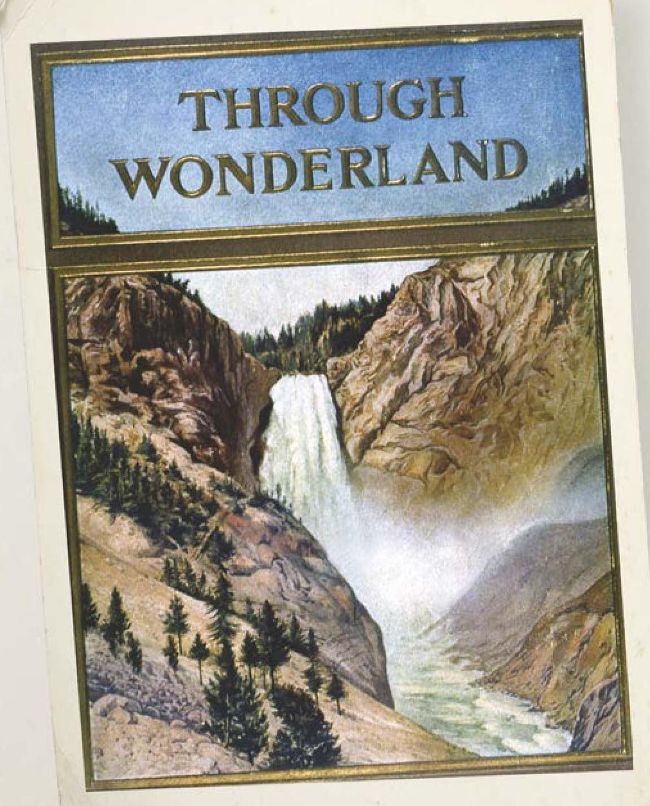
Adobe Stock / By Andrii Zastrozhnov
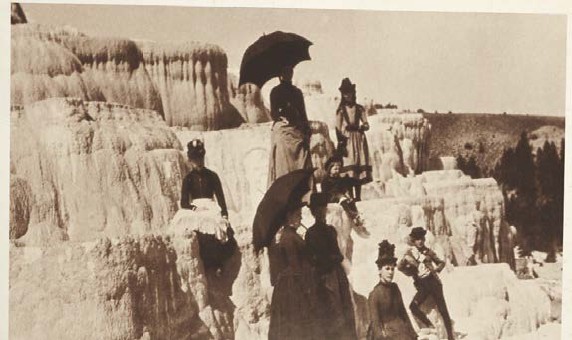
Tourists on the Mammoth Terraces.
Courtesy Yellowstone’s Photo Collection
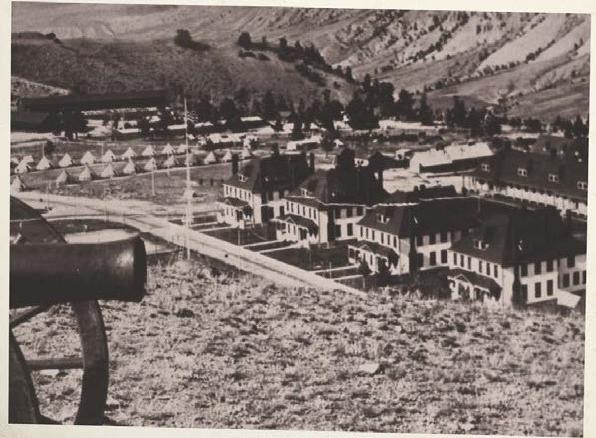
Fort Yellowstone in the 1890s. Photographer unknown.
Courtesy Yellowstone’s Photo Collection
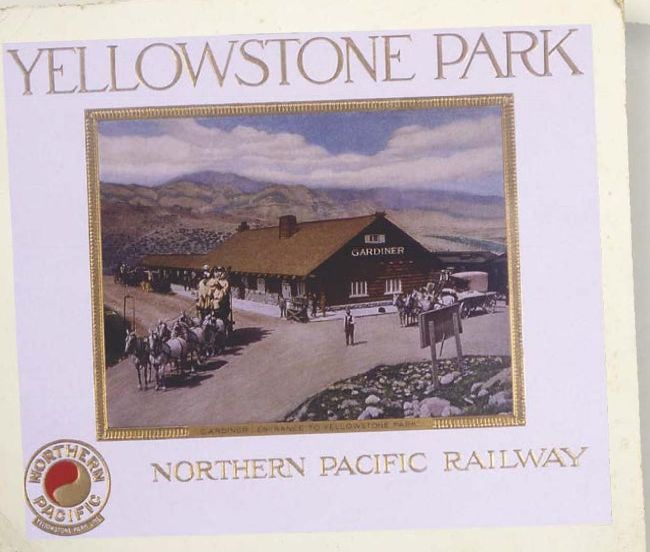
An early advertisement to coax wealthy Easterners to visit the new national park.
Courtesy Yellowstone’s Photo Collection
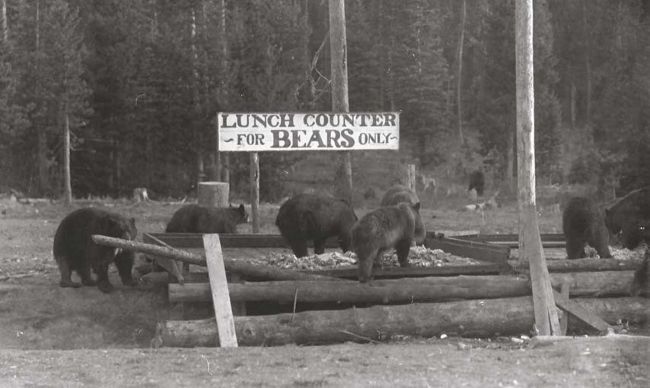
Black bears at the Lunch Counter, but grizzlies frequently took center stage during the evening feedings.
Courtesy the Michael H. Francis Historical Collection
At the Mammoth Terraces, there were no boardwalks as there are today, so people walked all over the fragile travertine formations to gain a better perspective. Women in ankle-length skirts climbed right along with the men, who looked like they were heading to a luncheon, rather than exploring a wild area.”
Evidence of people behaving badly appears almost daily on social media channels, but I was somewhat shocked at the long history of guests’ behavior until I researched hundreds of photos from the 1890s to around 1940 for the book, Found Photos of Yellowstone: Yellowstone’s History in Tourist and Employee Photos. My longtime friend and Yellowstone aficionado, Mike Francis, collected these images from family photo albums and private collections from over 50 years. What people did a century ago surprised me but made me feel slightly better because it’s not just modern-day visitors who make faux pas.