Supplementally Speaking
Long roleplaying campaigns can sometimes put the drag into dragon and the “I’m done” into dungeons – but never fear, with a pinch of gaming inception, supplemental games can break your party out of its adventuring malaise
Words by Anna Blackwell
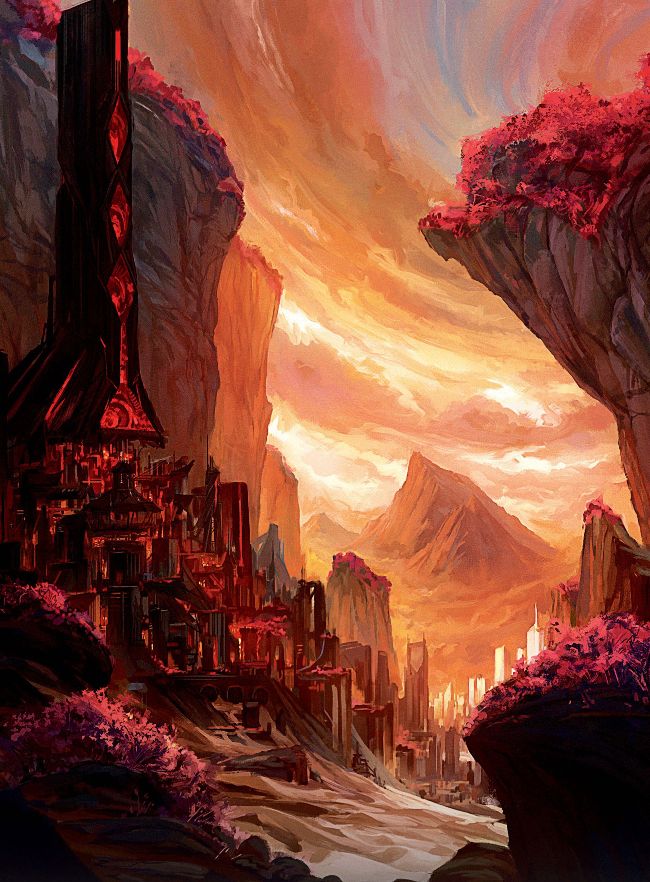
The world before the fall in Icarus
What draws us to RPGs? The vast journeys, the character growth, the drama, the worldbuilding, certainly. It’s an amazing hobby to be part of. However, as a campaign stretches into its second or third year, or you start yet another short game, some respite from the norm is well appreciated. Especially if you’re the weary forever-GM with a group of ravenous players to entertain.
Introducing another, smaller, game into the main story arc for some in-game play like Poker or Liar’s Dice in the tavern, or to represent a scene in a different way can be a much needed breath of fresh air. I’ve taken to calling these ‘supplemental games’ and they are a godsend for overworked GMs and an interesting change of pace for players too.
Supplemental games, in this sense, are standalone games that have the ability to be incorporated into a roleplaying game. Some of these are tools to be used for worldbuilding, journal writing, or item creation. For fleshing out a world in a generative way that produces some surprises. Alternatively, supplemental games can be games in their own right to replace combat or existing mechanics. If you’re ready to spice up your RPG, let the gamesception begin!
POCKET WORLDBUILDING
Coming up with worlds for RPGs can be a momentous undertaking. While it can be gratifying to do, it can also be a bumpy road getting there. GMs and player alike can experience some difficulty in understanding or engaging with vast and detailed worlds. No-one likes getting exposition-bombed at the start of a game just to understand what the world equivalent of a cow is.