AN INTRODUCTION TO…ECLIPSE
Touko Tahkokallio’s epic sci-fi 4X title has been a tabletop favourite since it first warped in, but it remains an imposing box for many newcomers. Here’s our quick guide to getting on board
Words by Matt Jarvis
Eclipse’s hefty box is matched by its weighty mechanics.
Douglas Adams once wrote: “Space is big. Really big. You just won’t believe how vastly, hugely, mind bogglingly big it is.”
It’s little surprise, then, that space’s limitless void has also served as the setting for some of the biggest board games to ever land on the tabletop. Among the biggest and best is Eclipse, Touko Tahkokallio’s 2011 magnum opus.
While not quite the seemingly unconquerable space whale that Twilight Imperium has become, Eclipse is still a notoriously heavy 4X title that can easily eat up hours of players’ time as they manage diplomacy, conflict, economy and more. In the end, it’s all worth it, with the game still delivering some of the richest strategy gameplay the tabletop has to offer more than five years on.
WHAT’S IT ALL ABOUT?
Eclipse takes place across a vast galaxy, generated using a pattern of inner, middle and outer sector hex tiles, which players draw at random as they traverse the star system. In the middle of the map is the heavily fortified Galactic Center, where the Galactic Council sits – defeating the tough enemy in combat earns extra reputation tokens and the chance for bonus victory points.
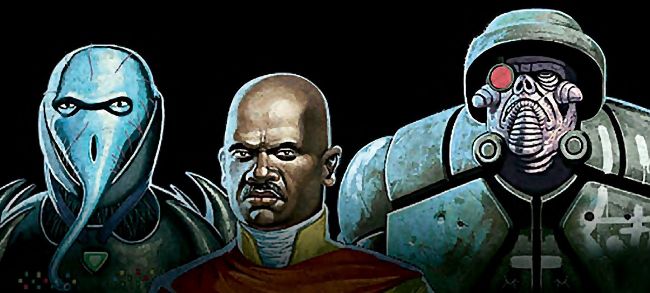
Players pick a human or alien faction (they all have slightly different gameplay abilities), from the conventional human Terran (recommended for beginners) to the weeds-in-space Planta and trippy yellow ghost people Descendants of Draco, who represent the various galactic superpowers bubbling towards a peace-shattering war. Games often start off gently, with players scouting from their starting planet and colonising new worlds to gather resources, which are neatly summarised into three categories: money, science and materials.