BOOKER T JONES
DOIN’ HIS THING
The teenage prodigy who helped define the sound of Stax,BOOKER T JONEScontinues to bring wisdom and peerless Hammond grooves to a new generation of musicians. Yet his path from “Green Onions” and Otis Redding to Willie Nelson and the Drive-By Truckers has not always been clear. “The events in Memphis in 1968 were too much for me,” he tells Stephen Deusner
“YOU have to be able to speak through your instrument,” says Booker T Jones, the mastermind behind Booker T & The MGs, one of soul music’s greatest groups. “Those old MGs songs were like conversations between the four of us, especially ‘Green Onions’. You could consider my organ part the first statement, with Steve Cropper answering on guitar and Al Jackson Jr responding on drums.”
For more than 60 years, Booker T has been speaking clearly through the Hammond B-3 organ, which he started playing as a teenager at Stax Records in Memphis. Since then, he’s been finding new ways to make its lush thrum sound just as conversational as the human voice, which was crucial for a band that specialised in instrumentals like “Time Is Tight”, “Hang ’Em High” and “Melting Pot”. “Back in 1962 we couldn’t just walk into Capitol Records or RCA or Columbia, not with the stuff we were playing at the time. It was just too funky. And we were an interracial band, so we didn’t stand a chance. I think our country suffered from some – for lack of a better word – musical prejudices.”
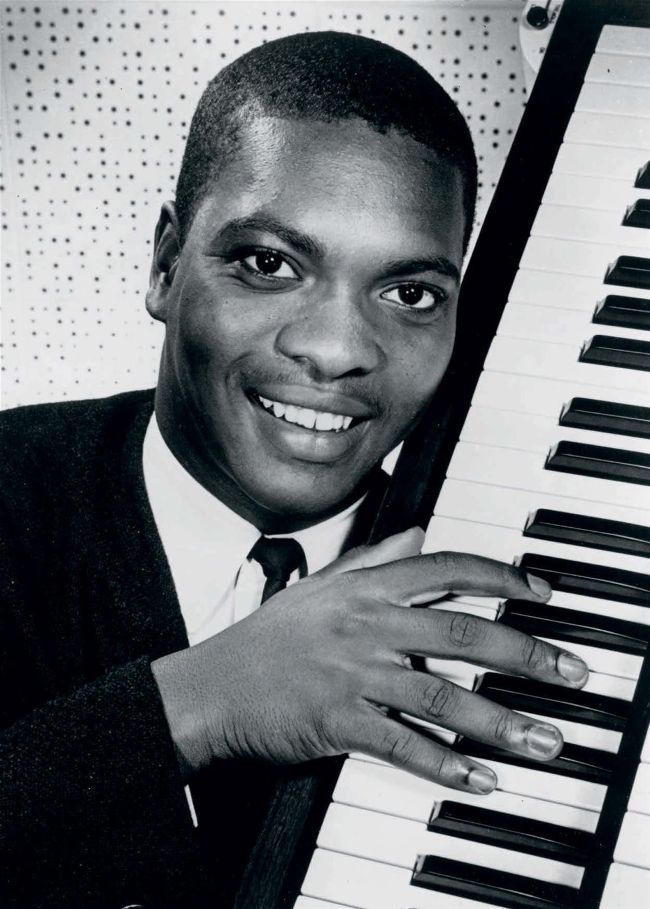
Booker T Jones in 1964: music scholar, organ player and band leader
MICHAEL OCHS ARCHIVES/GETTY IMAGES
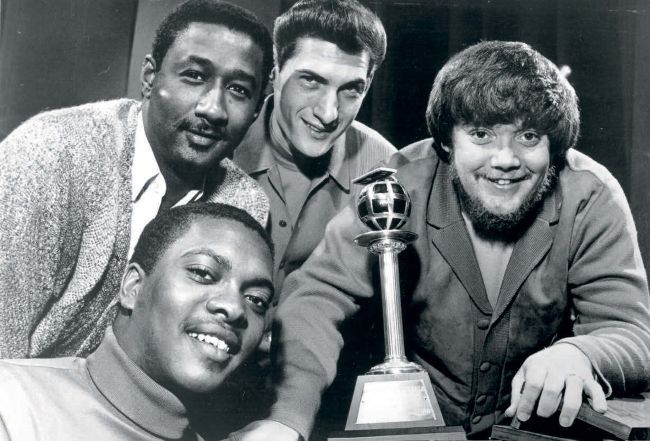
The MGs with an award in 1964: (c/wise from bottom left) Booker T Jones, Al Jackson, Steve Cropper and Donald “Duck” Dunn
MICHAEL OCHS ARCHIVES/GETTY IMAGES
He’s speaking to Uncut from his daughter’s home in Rancho Palos Verdes, California, right on the Pacific Ocean. The 80-year-old is preparing for a handful of shows this summer that will culminate in a two-night run in London to celebrate the 50th anniversary of Ace Records. “Ace played a big part in my survival in the industry in the 1970s,” he explains, adding that the label distributed The MGs’ albums throughout Europe, which brought in royalties and touring opportunities even after Booker T had left the group. “Ace allowed us to be known around the world. It turned out there was an audience for our music in Europe. But I still don’t know how a label that was founded in Mississippi ended up in London…”
Those shows will draw from every corner of his long career, which starts in Memphis before heading as far west as possible. A child prodigy who was playing Beale Street clubs as a young teenager, he cut his teeth on pop and jazz standards mixed with gritty local blues, playing alongside seasoned musicians old enough to be his parents. Later, he snuck out of school to sit in on sessions at Stax, first as a saxophonist and later as the label’s most celebrated keyboard player. Fronting The MGs, he helped pioneer the label’s signature sound – urgent, punchy, sophisticated, spontaneous – and backed nearly everybody who walked in the front door: Otis Redding, Sam & Dave, Eddie Floyd, Albert King, the Staples.