JOAN ARMATRADING
Show Some Emotion
As a new album attests, JOAN ARMATRADING has been writing brilliant songs for over 50 years. Refusing to play the celebrity game, she has continued to work to her own tempo, in the process quietly creating an enduring body of work that explores themes of love, solitude and connection. “It’s just writing music,” she tells Nigel Williamson. “That’s what I do.”
Photo by JOEL ANDERSON
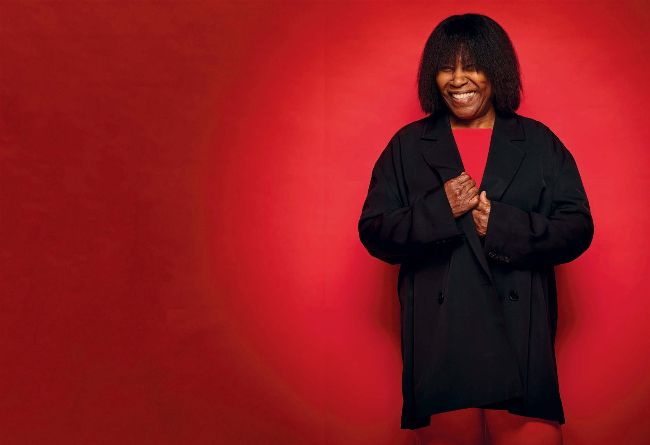
Joan Armatrading in 2024: “I don’t see any reason for me not to keep writing”
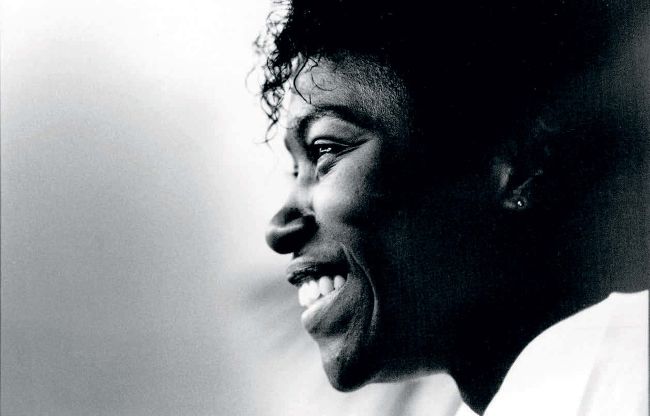
InAustralia, 1988:“There was no plan”
PHILIPWAYNELOCK/FAIRFAXMEDIAVIAGETTYIMAGES
JOAN Armatrading has always been hard to pin down. In 2007, she made a blues record in her home studio deep in the Surrey countryside. That same year, she ran her first marathon aged 57. She followed this with a jazz album and the score for an all-women production of The Tempest. Last year, her first classical symphony premiered on London’s South Bank. Meanwhile, on her new album How Did This Happen And What Does It Now Mean, there are a couple of guitar-shredding jazz-rock instrumentals that sound like she’s morphed into Jeff Beck. “No matter how old you get, there’s always stuff to learn,” she says
Now in her early seventies, Armatrading might seem a long way from her beginnings, as the groundbreaking artist responsible for unforgettable folk-pop songs such as “Love And Affection”, “Down To Zero” and “Willow”. Yet while she has consistently refused to fit comfortably into any category, her lyrical preoccupations remain largely the same: the gloriously messy and contradictory connections people make with one another.
When Uncut catches up with her on a wet autumnal Monday morning, Armatrading is at Bumpkin Studios in the grounds of her home, where she’s been recording since the mid-1980s. For many years, she has self-produced her albums and played all the instruments herself. It’s a self-contained approach matched by an unwavering resolve to guard her privacy. “Some people like everyone knowing all about them, but that’s not me,” she says. “I just write songs.”
Such reticence is not merely a shield from our celebrity-obsessed culture; it appears she’s always been this diffident. “People who like my music have a legitimate interest in me,” she concedes. “But I need privacy… when you go home, the reason it’s beautiful is because it’s personal just to you and the people you want to include in it.” She once claimed that only two people in the world have her phone number.