WHAT IS BIOFUEL?
Biofuels are futuristic fuels that can power cars and trucks with crops, algae and even rubbish. Here’s how they’re produced
WORDS MIKE JENNINGS
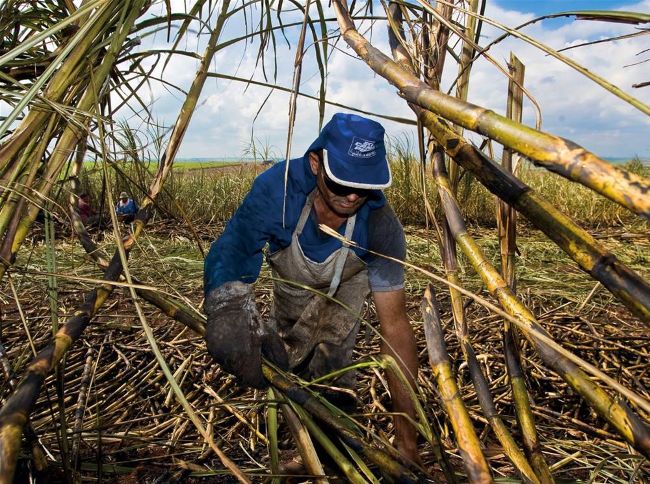
85 per cent of liquid biofuel that’s produced globally uses ethanol
W heat and maize are used to make bread, pizza and other delicious foods, but in a few years they could also power your car. Renewable biofuels could soon replace the harmful fossil fuels that we’re used to using. It’s now well established that fossil fuels are incredibly harmful to our health and the environment, and they’re not renewable, either. When so many people rely on petrol and diesel to power vehicles, it makes sense to develop a renewable alternative that’s easy to use.
That’s where biofuel comes in. The most common biofuel produced globally is ethanol, and it’s used frequently in Brazil and the US, while biodiesel is more popular in Europe. Ethanol is a clear, flavourless alcohol that’s created by fermenting and distilling sugary crops like wheat, corn and sugar cane. It’s combined with petrol to make fuel more environmentally friendly, and it’s already in widespread use. More than 95 per cent of petrol sold in the US contains ethanol, and E10 fuel – made from ten per cent ethanol – is now the standard petrol in the UK. Alcohol combines with oil or fat to create biodiesel. It works directly in many car engines, but it’s usually combined with conventional diesel to create a more effective blend. It’s produced from vegetable oil, animal fat, soy or palm oil. you know?