Power progression
Recent incidents have put the safety of airliner engines into focus but, as expert Professor Pericles Pilidis tells Tom Batchelor, new developments point to a cleaner, greener future
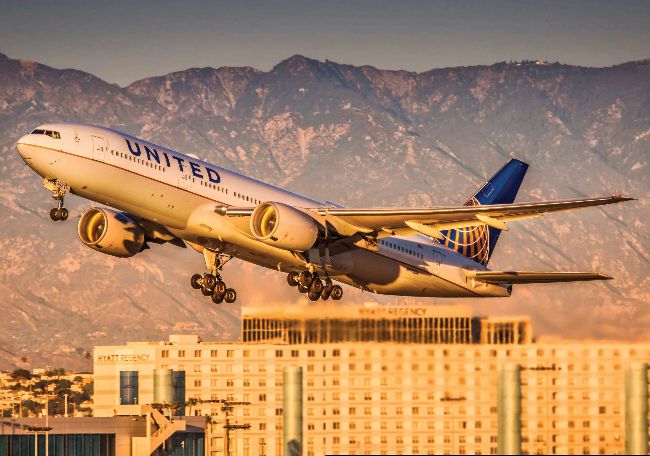
United Airlines' Boeing 777-200, N772UA, (c/n 26930) departs Los Angeles in November 2019
Engine failures are extremely rare, and uncontained engine failures are even more unusual. So when two aircraft experienced just that scenario on the same Saturday in February, the reliability of powerplants on modern jet aircraft was understandably thrust into the spotlight. While the gas turbine engines that are in use on modern airliners remain incredibly safe – with lottery-level odds of a significant failure – the incidents have prompted fresh inspections and a renewed focus on the causes and consequences of such an event.
The first of the two engine failures on February 20 involved a Longtail Aviation Boeing 747-400 cargo jet, VQ-BWT (c/n 24975) operating as Flight LGT5504 from Maastricht in the Netherlands to New York/JFK. One of the 30-year-old aircraft’s Pratt & Whitney PW4000s experienced an uncontained engine failure shortly after take-off and circled at 10,000ft before landing around an hour later at nearby Liege Airport in Belgium. Official reports suggest small metal parts fell over the town of Meerssen, injuring two people and causing damage to cars and houses in a residential neighbourhood. As this article goes to press, Longtail Aviation said it was working with authorities in the Netherlands, Belgium, the UK and Bermuda – where the aircraft was registered – to determine the cause of the incident.
Just hours later, on the other side of the Atlantic, a similar event was about to take place. United Airlines Boeing 777-200, N772UA (c/n 26930), on Flight UA328, bound for Honolulu, suffered an uncontained engine failure four minutes after take-off, forcing the widebody to return to Denver. The incident resulted in an in-flight engine fire and damage to the wing and fuselage, with debris dropping onto the suburbs below. The 26-year-old aircraft landed safely and no injuries were reported on the ground or among the passengers.
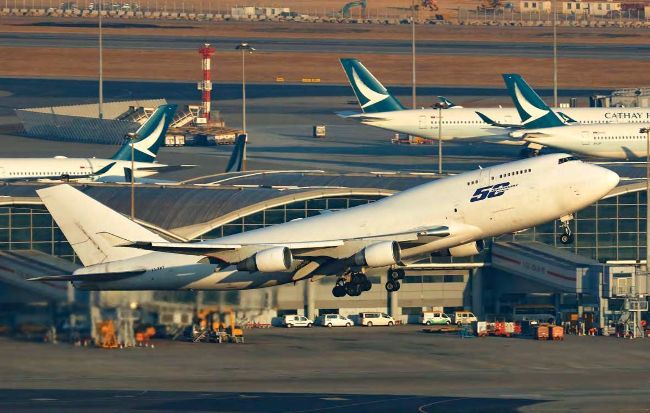
Longtail Aviation Boeing 747-400, VQ-BWT (c/n 24975) sustained an engine failure in February
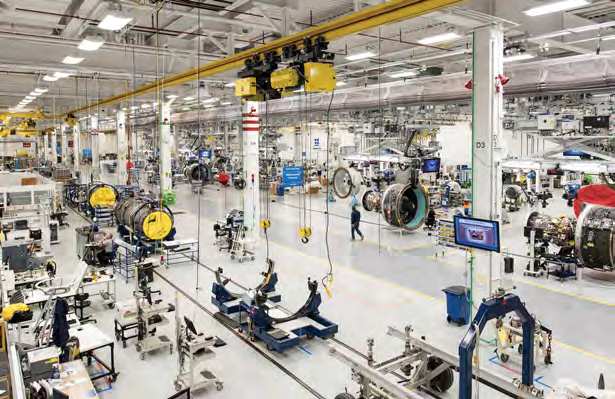
This interior shot offers a sense of the scale of Pratt & Whitney's Middletown Engine Center
PRATT & WHITNEY
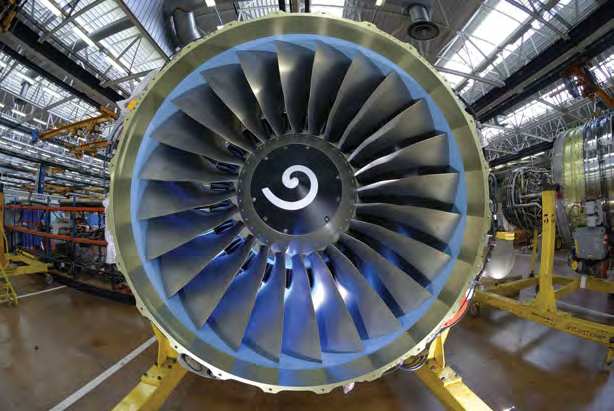
CFM International CFM56 engines are most frequently seen on Boeing 737
Next Generation examples
SAFRAN GROUP
Despite being a casualty-free event, the drama over Denver attracted worldwide attention due to the dramatic video footage captured by passengers on board the aircraft showing smoke and flames coming from the damaged number two engine. Both episodes involved similar Pratt & Whitney engines: the Longtail jumbo was powered by PW4056s, while the United 777 was fitted with a larger version, the PW4077. At the time of the incident, the latter was fitted to a total worldwide fleet of 128 777s (69 of which were in service and 59 in storage) operated by five carriers: United Airlines, Japan Airlines, All Nippon Airways, Asiana Airlines and Korean Air.
The National Transportation Safety Board (NTSB) determined that the damage to a fan blade in the United Airlines engine was consistent with metal fatigue. That led the US Federal Aviation Administration (FAA) to