Shims
The thin end of Boeing’s wedge
Boeing turned to the 787 Dreamliner for stability while its 737 MAX and 777X programmes weathered high-profile storms amid the global pandemic. But the 787 has since found itself on shaky ground, says Richard Schuurman
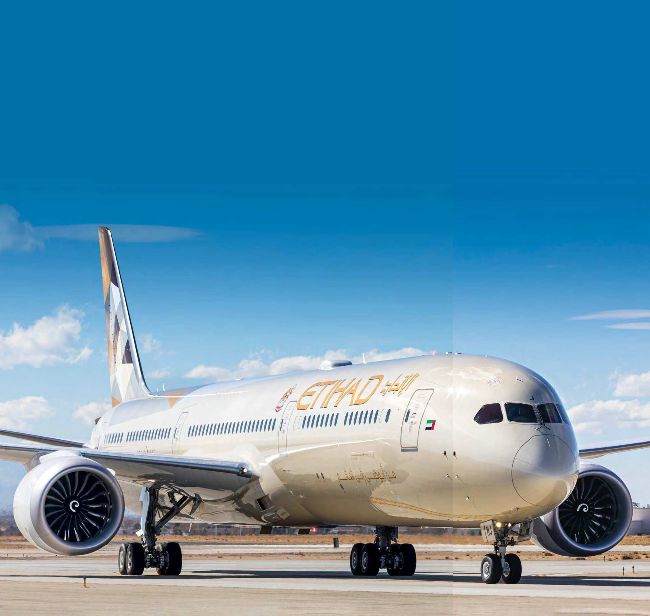
Etihad Airways was the last airline to receive a Boeing 787 prior to the manufacturer halting Dreamliner deliveries on October 14. It would be 164 days before another example of the widebody was delivered
The handover of a Boeing 787-9, N29985 (c/n 66144), to United Airlines on March 26 came as a huge relief to the Chicago-based manufacturer. The carrier was the first airline to receive a Dreamliner since Etihad Airways accepted its ninth 787-10, A6-BMI (c/n 60768), on October 14, 2020, when the manufacturer halted all future deliveries. The Dreamliner had proved to be a constant and reliable revenue stream during the 737 MAX grounding and, with more than 1,000 of the widebodies placed with airlines globally, all the teething problems should have been ironed out.
So what went wrong? The answer, in short: quality issues.
It all goes back to the same year it went catastrophically wrong for the MAX. “In August of 2019, we determined that there was an issue with shimming in a specific batch of aircraft that was produced in early 2019,” a Boeing spokesperson told Airliner World.
That warrants some explanation. The problem was found in the joints between two aft fuselage tubes: section 47, which includes the rear pressure bulkhead, and the unpressurised section 48, which accommodates the horizontal tailplane. Like the rest of the fuselage, these are made from carbon fibre-reinforced plastics. While produced to strict specifications, carbon fibre is a rigid material where