GB
  
You are currently viewing the United Kingdom version of the site.
Would you like to switch to your local site?
11 MIN READ TIME

Frozen universe

FROZEN UNIVERSE

IT’S TIME TO WRAP UP WARM AND EXPLORE THE BOOMERANG NEBULA – A PECULIAR PLACE WITH THE COLDEST KNOWN NATURAL TEMPERATURE

© Tobias Roetsch

In the Northern Hemisphere, we’re currently feeling temperatures drop. But while it certainly feels pretty cold, we’d hazard a guess that the temperature hasn’t dropped as low as the -93.2 degrees Celsius (-199.8 degrees Fahrenheit) recorded across Dome Fuji, Antarctica, in 2010. A visit there would require the thickest of coats and a vacuum flask topped up with a steaming-hot beverage. Yet imagine venturing somewhere even colder than that –a journey to the coldest place in the universe, in fact. You’ll need to crack the secret of a very long life and some clever scientist will have to work out how to travel at the speed of light, but a cold welcome awaits nonetheless.

Should you be up for the challenge, your destination will be the Boomerang Nebula, a reflecting cloud of dust and ionised gases and the coldest known place in the universe. This preplanetary nebula with a dying star at its centre is located some 5,000 light years from Earth in Centaurus, and it’s so utterly freezing that if you ever did make it there, you’d be unlikely to ever come back, regardless of its name. To give you an idea of how cold it is, let’s recap the lowest limit of the thermodynamic temperature scale: absolute zero. On the Celsius scale this is -273.15 degrees, and on the Fahrenheit scale it’s -459.67 degrees.
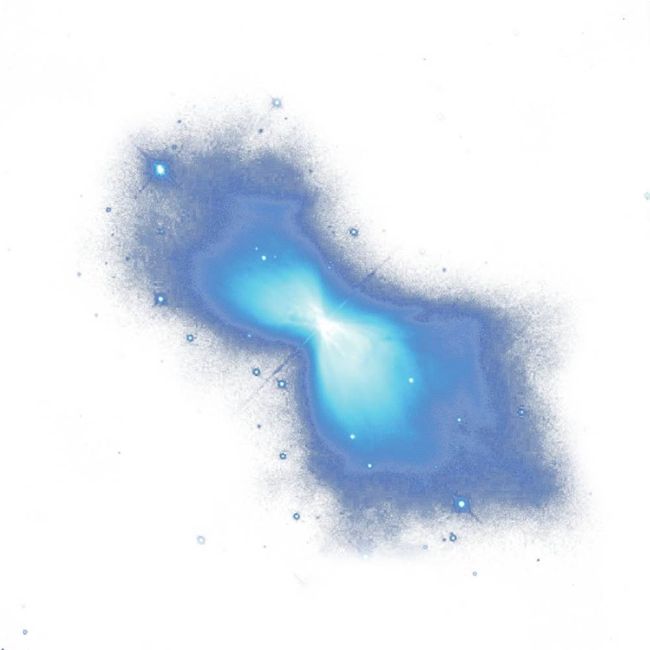
© NASA

BOOMERANG NEBULA BY NUMBERS

5,000

light years away from Earth

x10

It ejects matter ten times faster than a single star could on its own

3 trillion The outflow stretches more than 3 trillion kilometres end to end

ONE

Each lobe is one light year in length

100,000

The Milky Way is about 100,000 light years across

21,000 times the distance between the Sun and Earth

150KM

The outflow is travelling at 150 kilometres per second

1980

The year the name was coined
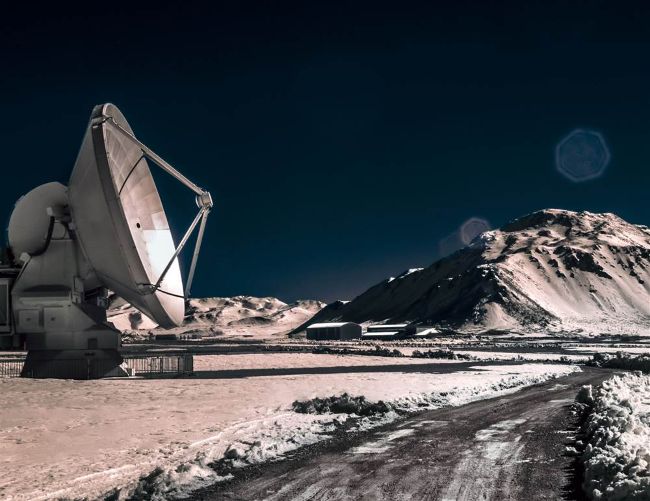
One of the 12-metre (39.4-foot) antennae that make up ALMA
© ESO

“DUST GRAINS HAVE CREATED A MASK THAT SHADES A PORTION OF THE CENTRAL STAR”

NATIONAL RADIO ASTRONOMY OBSERVATORY

Since the Boomerang Nebula’s deep interior temperature is a teeth-chattering -272 degrees Celsius or -458 degrees Fahrenheit, this places it just a degree Celsius above absolute zero. That makes it a whopping three times chillier than the temperature recorded across Dome Fuji.

Unlock this article and much more with
You can enjoy:
Enjoy this edition in full
Instant access to 600+ titles
Thousands of back issues
No contract or commitment
Try for 99p
SUBSCRIBE NOW
30 day trial, then just £9.99 / month. Cancel anytime. New subscribers only.


Learn more
Pocketmags Plus
Pocketmags Plus

This article is from...


View Issues
All About Space
Issue 125
VIEW IN STORE

Other Articles in this Issue


All About Space
WELCOME
Issue 125
LAUNCHPAD
Hubble’s planets
18 NOVEMBER 2021
A curious landscape
23 NOVEMBER 2021
A feast for your eyes
19 NOVEMBER 2021
ELUSIVE NEUTRINO CANDIDATES DETECTED IN BREAKTHROUGH PHYSICS EXPERIMENT
IN COOPERATION WITH © CERN For the first
DID ASTRONOMERS SEE THE LIGHT FROM TWO BLACK HOLES COLLIDING FOR THE FIRST TIME?
Black holes are dark, but a new observation
TRAPPIST-1 ALIEN SYSTEM WAS NOT BOMBARDED BY SPACE ROCKS LIKE EARLY EARTH
TRAPPIST-1 would be an unremarkable star if not
AI DISCOVERS OVER 300 UNKNOWN EXOPLANETS IN KEPLER DATA
An algorithm is helping to sort masses of
ROCKET LAB AIMS TO CATCH A FALLING ELECTRON BOOSTER WITH A HELICOPTER
Reusable stages make spaceflight cheaper and more accessible
LIGHTSAIL 2 SOLAR SAIL IS STILL SOARING ABOVE EARTH MORE THAN TWO YEARS AFTER LAUNCH
IN COOPERATION WITH Solar sails harvest solar energy
FUTURE TECH
SPACE ELEVATOR
Launching into space is a hazardous process. Wouldn’t it be simpler if we could take a lift?
INTERVIEW
“BEING IN SPACE IS LIKE LIVING A DREAM”
Serving as a pilot on SpaceX’s Crew Dragon capsule, the astronaut reveals the most scary thought that’s entered his head, his thoughts on spacewalking and returning to Earth during a pandemic
FOCUS ON
JUPITER’S GREAT RED SPOT IS DEEPER THAN SCIENTISTS THOUGHT
The storm system isn’t just wide… it also has incredible
SPACE EVENTS 2022
THE FORTHCOMING YEAR IS SET TO BE AN IMPORTANT ONE FOR SPACE EXPLORATION AND ASTRONOMY
ANTI-SATELLITE MISSILE TEST DRAWS CONDEMNATION
Across the globe, nations and space companies alike are speaking out against Russia’s anti-satellite test, which forced astronauts in space to take cover
WHAT HAPPENS TO EARTH’S DISAPPEARING CRUST?
Scientists may have finally figured out the mystery of subduction zones
ALL ABOUT THE ORION NEBULA
EVERYTHING YOU NEED TO KNOW ABOUT THIS CRADLE OF BABY STARS THAT’S VISIBLE FROM EARTH
POTENTIAL EARLY UNIVERSE FOSSIL UNCOVERED
The weird stellar remnant may be from one of the first stars in the cosmos
SPITZER’S INFRARED UNIVERSE
IN JANUARY 2020, NASA’S SPITZER SPACE TELESCOPE CAME TO THE END OF ITS MISSION AFTER 16 YEARS OF INCREDIBLE IMAGES HERE’S JUST A FEW OF OUR FAVOURITES
THERE’S A BARRIER AROUND THE MILKY WAY’S CENTRE
Astronomers discover an enormous, bizarre feature separating the centre of the Milky Way from the cosmic ray sea
DOES EARTH HAVE A SECOND MOON?
MYSTERIES OF THE UNIVERSE
ASK Space
Our experts answer your questions
WHAT’S WRONG WITH MY TELESCOPE?
THERE ARE SOME COMMON PROBLEMS YOU MIGHT FIND YOURSELF FACED WITH WHEN OBSERVING. HERE’S HOW TO DEAL WITH THEM
INSTANT EXPERT
WHY ARE WE STILL SEARCHING FOR INTELLIGENT ALIEN LIFE?
Should we widen our search criteria when looking for extraterrestrials?
PLANET PROFILE
DWARF PLANET PROFILE MAKEMAKE
Makemake is partly responsible for Pluto’s controversial change in planetary status
STARGAZER
WHAT’S IN THE SKY?
IN THIS ISSUE…
THIS MONTH’S PLANETS
The far-flung ice giants make for easy pickings as we ring in the New Year
MENELAUS CRATER
How to find the impact at the end of one of the longest rays on the Moon
NAKED EYE & BINOCULAR TARGETS
January’s sky is a treasure trove of bright stars and glittering star clusters
OBSERVE THE UNICORN’S SPARKLING TREASURES
Winter skies are rich in deepsky objects for your telescope to hunt down and enjoy. Here are just a select few
THE NORTHERN HEMISPHERE
The middle of the darker months is the perfect time to turn your telescope to the skies
ASTROSHOTS OF THE MONTH
Get featured in All About Space by sending your astrophotography images to space@spaceanswers.com
CELESTRON SKYMASTER PRO 15x70
This binocular offers an amazing stargazing experience, with a good combination of magnification, aperture and portability
IN THE SHOPS
The latest books, apps, software, tech and accessories for space and astronomy fans alike
HEROES OF SPACE
CHRISTINA KOCH
Chat
X
Pocketmags Support