SPACE EVENTS 2022
THE FORTHCOMING YEAR IS SET TO BE AN IMPORTANT ONE FOR SPACE EXPLORATION AND ASTRONOMY
Reported by Robert Lea

© Getty
The last 12 months have seen some pretty impressive events and discoveries. The commercial space race kicked into high gear with flights by Virgin Galactic, Blue Origin and SpaceX, the latter of which launched the first all-civilian crew to low-Earth orbit. Even Star Trek actor William Shatner got in on the act, swapping the Starship Enterprise for Blue Origin’s New Shepard.
In the last month of 2021, the James Webb Space Telescope should have finally launched, kick-starting a new era of discovery, yet even before this new space telescope starts examining the atmospheres of exoplanets, researchers may have made history by discovering the first planet ever found outside the Milky Way.
2022 will pick up the baton from 2021, building on the groundwork laid this year. While it’s difficult to predict what we will discover in the forthcoming 12 months, we can look ahead to the scheduled launches, science tests and astronomical events.
This includes our continuing exploration of Mars – scouring our neighbour for signs that life may once have existed on or below its surface – flybys of the moons of Jupiter and our return to the lunar surface.
FEBRUARY
ARTEMIS 1 LAUNCHES FIRST FLIGHT
In February, Artemis 1 will hopefully begin its work, signifying an important step for human space exploration. The first mission of the project, the launch of the Orion spacecraft and the Space Launch System (SLS) rocket from Kennedy Space Center, will mark the beginning of an increasingly daring and groundbreaking series of deep-space missions.
Launching from the most powerful rocket in the world, the uncrewed craft Orion will journey further into space than any craft designed to carry humans ever has before. The three-week mission, set to begin on 12 February, will see it travel 450,000 kilometres (280,000 miles) from Earth. This will become the longest mission a spacecraft designed to be crewed has undertaken without docking at a space station, setting the scene for future missions.
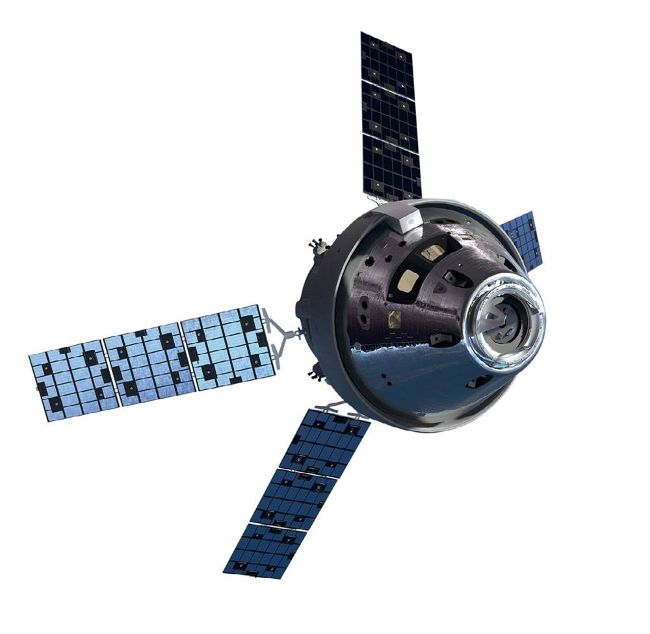
© Lockheed Martin
Artemis won’t just be breaking new ground in space. Not only does the program aim to deliver the next humans to the Moon in 2024, but these voyagers will include the first woman and the first person of colour to step onto the lunar surface –a giant step for diversity and the first step to the first human-crewed mission to Mars.
© Morehead State University
FEBRUARY
LUNAR ICECUBE HUNTS FOR WATER ON THE MOON
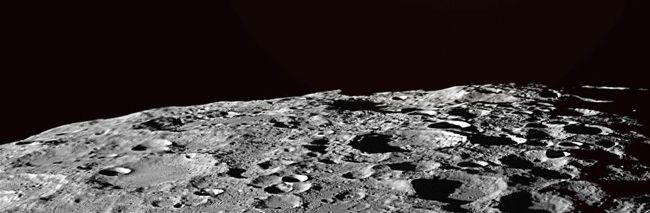
Launching along with Artemis 1 is the ride-along CubeSat mission Lunar IceCube. The aim of this mission is to study the distribution of water and organic volatiles on the Moon as they evaporate throughout the day. This will help us assess how much lunar water is in the form of liquid, ice or vapour.