some battle scars cannot be seen
Former soldier Philip Riding fought the Taliban and Islamic State in Afghanistan, often escaping death by a whisker. But being gay meant he has had other conflicts to face — and they were equally as harrowing…
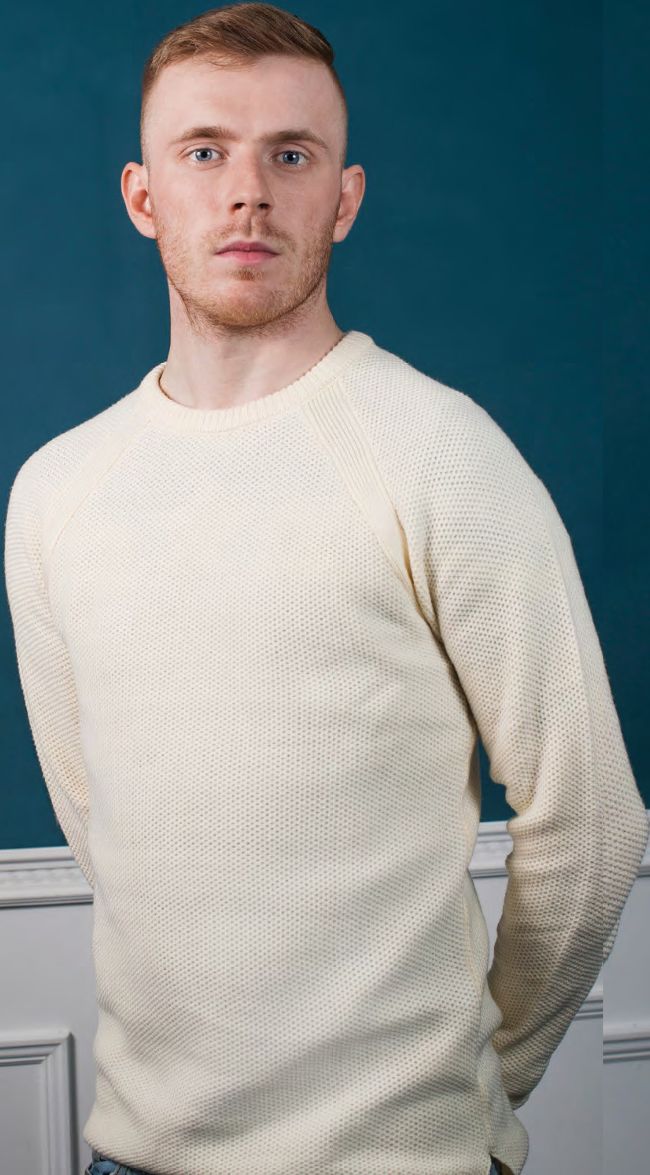
WORDS: PATRICK CASH
PHOTOGRAPHY: MARKUS BIDAUX
When ex-soldier Philip Riding walks into the room at Soho’s Phoenix Arts Club, his boy-next-door charm lights up the room. But he doesn’t want to be overheard as he talks about post-traumatic stress disorder. “PTSD is such a common diagnosis for a lot of people,” he says. “It’s when you can’t get over a certain experience and it comes in many different forms. A memory may come back through a sound, a smell, a sight or an action.”
Riding joined the army in 2007, aged 16. He was still closeted to his family and wasn’t sure what path to take in life. Having been bullied and labelled gay at school, the army offered him an opportunity to get out of his town, but also a chance to “prove” he wasn’t gay.
“When I joined the infantry, I signed up for the most masculine role possible. People don’t think gay guys can do a butch man’s job. They think in a typical stereotype: pink and fluffy, hairdressers, dancers. And you think like that until you get into the LGBT+ network and realise gay people come in all shapes and sizes.”