Over the rainbow
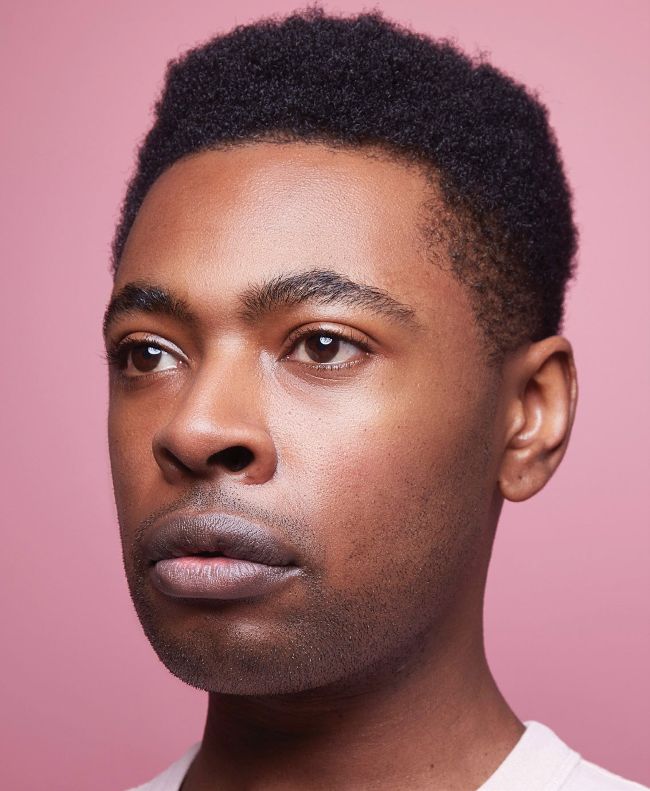
Shaking up the queer literary scene, author Paul Mendez drew on his painful past for his must-read debut novel, Rainbow Milk
Words Thomas Stichbury
First time’s the charm for promising author Paul Mendez, one of the most exciting and vital voices on the queer literary scene.
His debut novel Rainbow Milk, out now, is a semiautobiographical story following 19-year-old Jesse as he tussles with his sexuality after being disowned by his mother and stepdad and his Jehovah’s Witness community in the Black Country. After escaping to London in a bid to finally live his truth, Jesse finds himself turning to sex work.
In the book, facts meld with fiction as Paul revisits and remaps his past in this timely tale that navigates sexual identity, race, heritage, class and, ultimately, the importance of finding your chosen family.
Mendez’ novel made The Observer’s list of titles to look out for in 2020, and featured in its top ten debuts of the year. After lapping up the book in a single weekend, Attitude eagerly jumped on the phone to Paul - who is also studying for an MA in Black British Writing at Goldsmiths - to discuss the, at times, painful writing process, how he now views the experiences he lived through, and the necessity of sharing stories from ‘minority’ writers.
How did Rainbow Milk come about?
I had always written for myself, cathartically, just to explain how things were going; to keep in touch with myself, really. I’d gone from growing up as a Jehovah’s Witness in the Black Country to then becoming a sex worker and living without my family in London, trying to make a life, make new friends, find love. The idea for writing a novel came from reading James Baldwin [and] Donna Tartt in the summer of 2002, then Alan Hollinghurst and Proust a few years later. I knew from then on that I wanted to become a writer.
What was the writing process like for you?
Because of the life that I’ve led, the things that I’ve been through and the subjects that I cover, I found it very difficult to be anything other than confessional. I didn’t know how my material would become fiction, especially because you don’t see black, queer, male fictional characters anyway, especially handled by black, queer, male authors. Indeed, one of the most memorable black, queer characters I can think of was Leo in Hollinghurst’s The Line of Beauty, who was a model for me in many ways in terms of writing about Jesse.

In the summer of 2012, I met Sharmaine Lovegrove at a birthday party in Hackney. Five years later, I heard she was becoming a publisher at Dialogue Books - an imprint that would prioritise the voices of LGBT black and minority ethnic authors - and I sent her my work on her first day in the job. It was a manuscript that I’d cut together from years and years’ worth of essays, observation writing, confessional writing and poetry, but I ordered it in a narrative thread. I wanted her to see what I can do and what I was about.