Control-panel reset
Feelings of powerlessness can be pervasive, especially during difficult times, but there are ways to push through
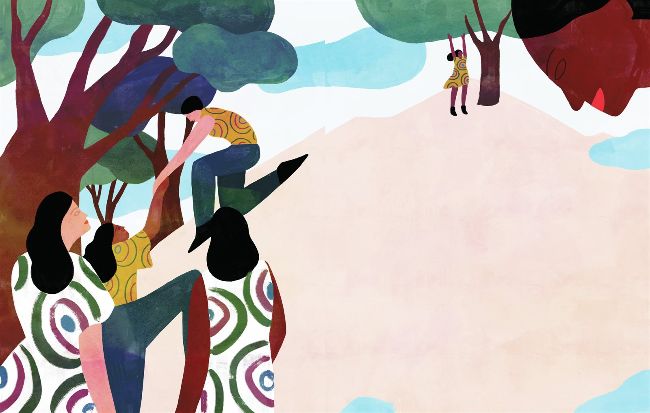
ILLUSTRATIONS: SIRIN THADA
From concerns about single-use plastics and the horrors of conflict and persecution, to worries about health, family and finances, there’s much that seems out of our control, but feeling powerless doesn’t equate to not having any power. While overwhelming feelings of helplessness can make it difficult to see the big picture, there are wellsprings of authentic power to tap into. Austrian neurologist and psychiatrist Viktor Frankl, who survived three years in concentration camps, including Auschwitz, and whose parents, wife, brother and unborn child were killed in the Holocaust, challenged the belief that there were circumstances under which human beings were entirely shaped by events beyond their control.
In his book, Man’s Search for Meaning, he drew on his experiences and observations in the camps to explore the resilience and strength that comes from preserving a sense of purpose, even under the most horrific circumstances. He described ‘the last freedom’ as the ability every person has to choose their response to a situation: ‘We who lived in concentration camps can remember the men who walked through the huts comforting others, giving away their last piece of bread. They may have been few in number, but they offer sufficient proof that everything can be taken away from a man but one thing: the last of the human freedoms – to choose one’s attitude in any given set of circumstances, to choose one’s way… In our response lies our growth and our freedom.’ While Viktor’s experience of maintaining a sense of power is extreme and his suffering was immeasurable, he discovered that he still had the freedom to decide what his ordeal would mean to him, and how he would respond to it.