TIMBER CLADDING WHAT ARE THE OPTIONS?
Rebecca Foster lays out the pros and cons of various wood-based products, as well as delving into supply and installation costs
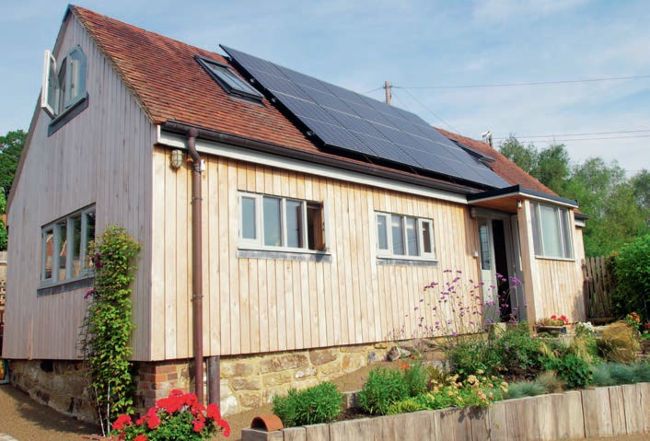
Orlestone Timber provided the air dried oak cladding for this new build home. No oil finish has been applied
Few manmade materials can match the authentic, characterful appeal of natural wood, so it’s no surprise that timber cladding is a favourite amongst the UK’s self builders and home extenders.
Whether used as a covering for the entire house or to complement a mixed materials palette that includes brick and render, the right finish can infuse your home with wow factor. “Wood boarding is also sustainable, easy to work and available in numerous profiles and tones,” says Andrew Goto, head of cladding sales at Timber Focus. To help you get your head around the options, here are some of the most popular choices, as well as a breakdown of what you need to know about supply and installation costs.
Material options
Oak This hardwood solution is durable, long-lasting and low maintenance. One of the main benefits of the wood’s hardiness is that it can be left untreated and exposed to the elements to develop a gorgeous silver patina over time. The original golden hue can be maintained by applying a suitable clear stain, though you’ll need to reapply the treatment fairly frequently. This might offset the pluses of selecting a low-maintenance specie. To ensure maximum stability, the boards are typically dried to a moisture content of around 15% -25% prior to installation. Depending on the level of exposure, oak cladding can last for 50+ years.