Contextual design
Architect Opinder Liddar discusses the importance of building with your local area in mind and shares how to create a distinctive home that celebrates its surroundings
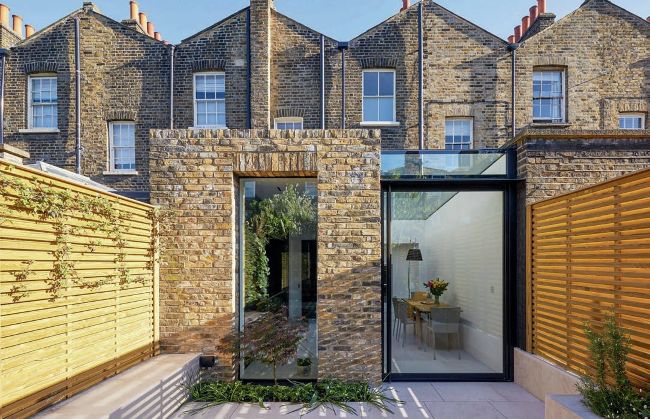
Above: Paul Archer Design (www. paularcherdesign.
co.uk) sensitively renovated and extended this grade II listed town house in Lambeth – uncovering its period features while updating the property for modern living.
The rustic brick facade and sleek, slimline glazing balance old with newANDY STAGG
Striking a balance between respecting the vernacular of your surrounding area and creating something that’s unique to you is often key to a successful project. It’s a good idea to take some cues and inspiration from your context when planning your dream home, but you don’t necessarily need to play it safe with your design or feel that you must replicate the properties in your locality in order to get planning permission.
From both a local and site-specific perspective, I’m exploring how to consider your surroundings when taking on a self build – helping to inform the design of your new home, and enabling you to critique what you see proposed in your own neighbourhood when a planning application is made. I’ll highlight what planners are likely to be looking for and how you can best justify what you want from your own design.
What is contextual design?
Imagine the Dreaming Spires of Oxford, the honey-hued stone houses of the Cotswolds, deep-red Accrington brick chimneys in North West England or the strikingly pointed rooflines of houses on the Kentish coast. I expect you will have a very clear image of the kind of buildings associated with these strong architectural references and a good sense of their locality.