OPENING UP SPACES
Renovation proKate Sandhushares the key steps when renovating to create open-plan rooms, plus tips for a functional layout

Designed by LochAnna Handmade Kitchens (www.lochanna
kitchens.co.uk), this statement island unit with seating provides a clear focal point in the large, openplan room
Designing generous, open-plan spaces is a hugely popular home improvement trend in the UK. Whether it’s a kitchen-diner transformation, a seamless living area, or a reimagined bedroom layout, knocking down walls can bring in more light, improve flow and make your home feel more spacious. But before grabbing a sledgehammer, it’s essential to consider whether opening up your plan is truly the best option, and how to execute the project properly. This guide explores the key factors to keep in mind, from initial planning to practical considerations and design choices.
Is knocking through the right choice?
Before committing to breaking down internal walls, it’s crucial to take a step back and consider your goals. What are you hoping to achieve? Are there other, less invasive ways to improve your layout? Start by asking yourself the following few questions; do I want a brighter, airier space? Better flow between rooms? Or, a more sociable area for family and friends? Sometimes, opening up a room is the best way to achieve these aims, but in other cases, alternative solutions – such as better lighting, reconfiguring doorways or even extending – might be more effective.
Not every home is naturally suited to large, uninterrupted spaces. Victorian terraces and semi-detached houses often lend themselves well to open-plan living, as they tend to have solid proportions and good ceiling heights. However, in a cosy cottage or period property with lots of charm, taking down too many walls could strip away its character or leave it feeling cold and empty. In addition, opening spaces up can make them more challenging (and more expensive) to keep warm. You may also need to add more or larger radiators, which will increase your costs.
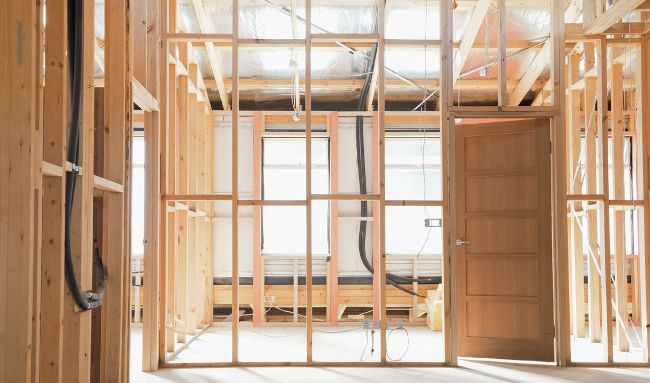
Timber stud walls are commonly used to divide up rooms. They’re quick to install and relatively simple to remove, too – although you should always check if they are load-bearing first