TO FOIL A PREDATOR
Predators come with the chicken-keeping territory. Here’s 10 ways to keep your feathered friends from becoming an easy meal.
by Cherie Langlois
It hurts to lose a chicken you’ve lovingly raised from a cute, fluffy chick — to go out one morning and find Henny Penny mysteriously missing or worse, discover a shocking scene of bloody, feathery carnage. Not only does it hurt emotionally, but for those whose livelihoods depend on their flocks, it hurts financially, too. So it seems almost a sacrilege for me to confess the following.
Even though I adore my chickens and hate to sacrifice even one to a coyote or other wild thief, I don’t blame the predator for doing what predators do to survive. Furthermore, I refuse to take a lethal approach to retaliate for any depredations — with one exception. Blame it on my volunteer work at a zoo as a teenager and, later, a seven-year stint as a wildlife park keeper. Working around tigers, cougars, wolves, foxes, raccoon, eagles and other predators, I became completely enamored with these oft-maligned animals’ beauty, intelligence and strength — not to mention their critical role in nature, keeping prey populations in check. My deep affection for predators has lasted to this day.
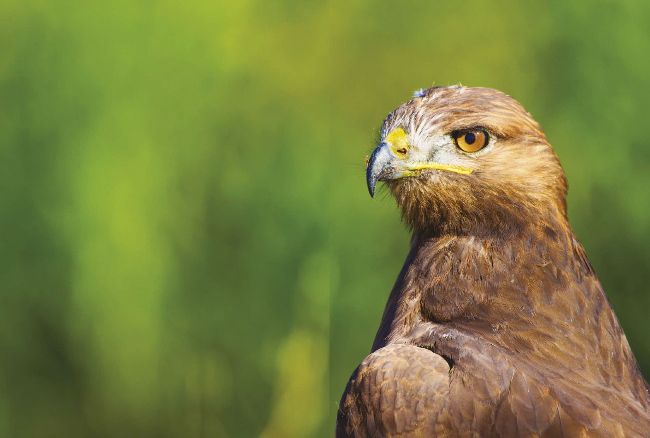
Several species of raptors target feeders, not for the food offered there but for the birds that congregate to eat.
serkan mutan/shutterstock
And yet - I really, really don’t want them eating my chickens. Happily, my husband and I have lost surprisingly few birds in almost 30 years of keeping various poultry on our Washington hobby farm. I hope our time-tested tactics below will help you, too, avoid the pain of losing a feathered friend.
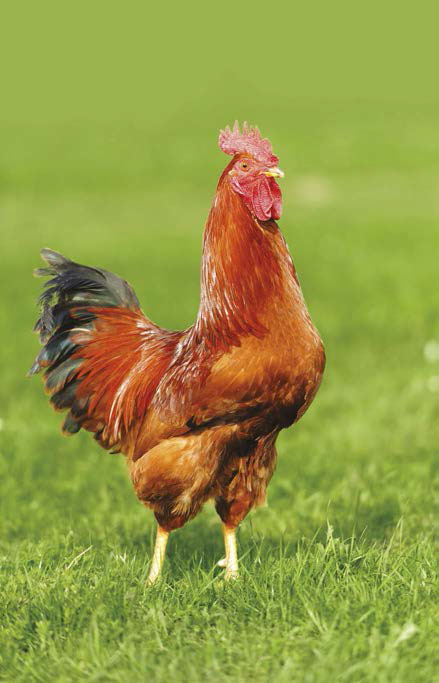
The ultimate in predator protection might be getting a rooster; at the first sign of danger, a rooster will call out to his girls, sending them scurrying to safety while he stands guard against the threat.
VolodymyR
1. Figure Out Who Done It
Unfortunately, chickens are vulnerable to a dismaying number of predators, from petite weasels to brawny bears. Some — think raccoon and coyote — are widespread, occurring in country and town, while others have more limited ranges. In general, though, raisers residing in different areas deal with a slightly different cast of potential poultry thieves. On our farm, for instance, we’ve only seen a fox and signs of a bear once, while raccoon, opossum and great horned owl visit regularly.