Syncopation
Fundamental to just about all modern music (and a great deal of older material, too!), syncopation is – in literal terms – the placing of accented notes on the ‘weak’ beats of the bar. This is an extremely open-ended definition, however, given that those ‘weak’ beats could be considered to be beats 2 and 4 (which, technically, makes the common or garden backbeat a form of syncopation) or the eighthnotes that fall in between the four main beats of a bar of 4/4, or even the 16th-notes that fall in between those, and so on.
To put it in non-technical terms, syncopation is what puts the funk, groove, skank or other rhythmic ‘feel’ into a piece of music. Although it’s been a quantifiable concept in all genres and styles since man first took stick to log, it’s always been particularly important in dance music, which just wouldn’t work without it – imagine, if you will, a dancefloor full of people just stomping along to beats 1 and 3. Not our idea of a fun night out. By dance music, we mean all the way back to the tribal beats of pre-history, then up through medieval music, classical, jazz, rock ’n’ roll, and on to house, hip-hop, jungle, trance, electro, dubstep and all the rest of ’em.
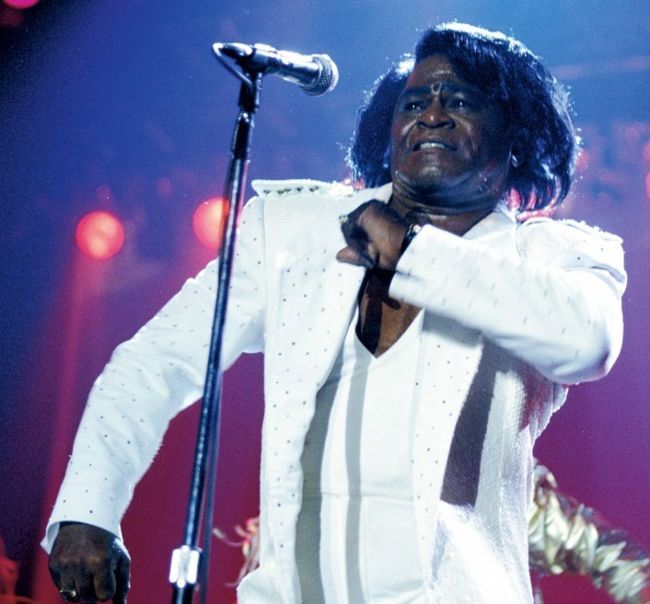
Funk is built upon syncopation; James Brown would’ve been a decidedly stiff and ungroovy fellow without it
© Getty Images
We’ve no doubt that you’re already using syncopation in your productions, whether you’re conscious of it or not – you’d certainly know if you weren’t using it, as your tracks would sound mechanical, entirely ‘on the beat’ and rhythmically dull. To make things crystal clear, however, we’re going to walk you through some specific examples of it that will hopefully inspire you to think more about where you’re placing those accents and, consequently, up the funk factor of your tracks.
> Step by step 4. Basic syncopation of a drum part
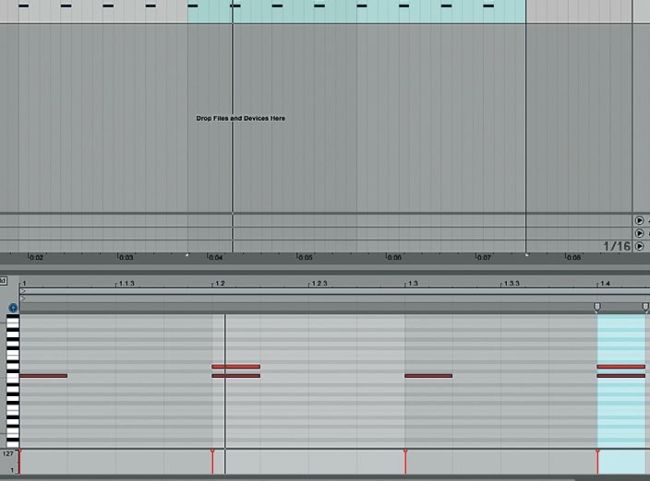
1 Here’s a truly simple example of syncopation: the good old backbeat! Our Backbeat.wav starts with a nonsyncopated 4/4 kick drum pattern; then we syncopate it by adding a snare on beats 2 and 4. With beats 1 and 3 (the onbeats) considered the ‘strong’ beats in the bar, emphasising 2 and 4 (the offbeats) qualifies as syncopation, at least in a purely technical sense. It ain’t that funky, though…