Photo Answers
Exasperated by exposure settings? Nonplussed by ND filters? Send your technique and camera questions to digitalcamera@futurenet.com
Andrew James
Andrew is a highly experienced writer and photographer – if you have a problem, he is here to help.

Andrew James
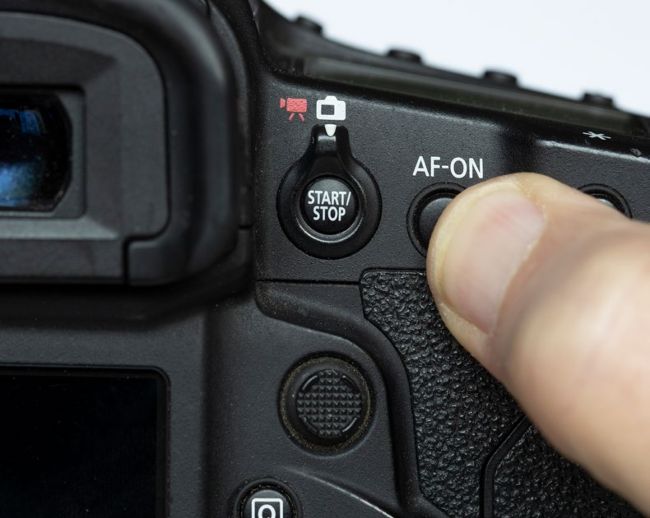
Back-button focusing is a technique many photographers find effective and convenient.
Back up to get sharp
Q Can you explain the difference between back-button focusing and continuous focus tracking (including eye-detection AF) on my Nikon Z 7?
Iain Smyth
A Back-button focusing is a way to divorce the act of focusing from the traditional top-of-the-camera shutter button that focuses when half-pressed and fires the shot when fully pressed. Your camera doesn’t come with back-button focus set up so you need to assign it to a specific rear button, such as the AF-On button.
There are some good reasons why you might want to switch to back-button focusing: the most obvious is that you can press the back button once to lock focus on a static subject, then simply fire the shot when you are ready via the shutter button, even if you’ve needed to recompose your scene a bit. Whichever control method you choose, do it exclusively so your brain can react quickly and intuitively to how you work.
Continuous focus mode allows you to track a moving subject, such as a cyclist, and keep it in focus as long as you have the back button pressed or the shutter button half-pressed. As a rule, if your subject has any kind of movement you can’t control, you want to use continuous focus (AF-C on your Z 7) – whether that’s with back-button focusing set up or not.
You’ll find photographers who love back-button focus, and others who prefer the traditional way. Neither is right or wrong: they are just alternative ways of doing the same thing – getting your shot in sharp focus where you want it to be.