Ask Matthew...
Nightmares about ND filters? Putting off purchasing a photo printer? Send your technique and camera questions to digitalcamera@futurenet.com
Matthew Richards
Matthew Richards is a photographer and journalist who has spent years using all manner of photo gear.
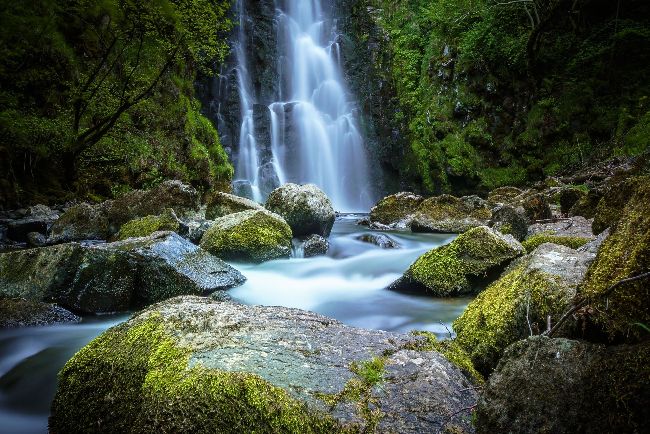
The stopping power of a variable neutral density filter allows you to apply motion blur to waterfalls.
Getty / Andrea Janas
Fade to black
Q I’m looking for a reasonably priced variable neutral density filter that provides strong stopping power without risking the X-shaped cross-polarisation effect. Do you have any recommendations?
Julian Stone
A Variable neutral density filters are great for both stills and videography and seriously strong stopping power enables long exposures so you can apply motion blur to the likes of waterfalls, weirs and rapids, or even blur people out of a bustling city scene. They work by combining two polarised filters and as you rotate one against the other, the filter gets progressively darker or lighter. However, if you try to go too dark, you risk a dark cross that ruins the image.