THE PIONEER
FROM THE START,
SIGOURNEY WEAVER
HAS DEFIED CATEGORISATION AND EXPLODED EXPECTATIONS. AS THE QUEEN OF SCI-FI RETURNS IN
AVATAR: FIRE AND ASH
,
WE SPEAK TO HER ABOUT A SINGULAR LEGACY
WORDS TERRI WHITE ROBERT ASCROFT
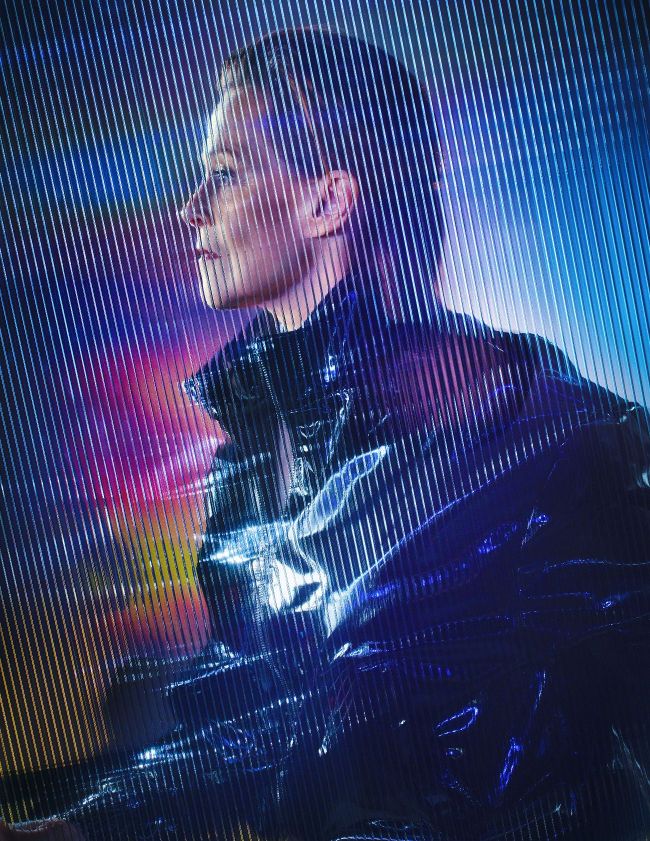
Sigourney Weaver, photographed exclusively for Empire at Lightstorm, Manhattan Beach, Los Angeles, on September 21, 2025.
Sigourney Weaver set cinema screens alight 46 years ago as Alien’s warrant officer Ripley: Jonesy the (“little shithead”) cat in one hand, a flamethrower in the other. An exquisite visual summation of this new, radical female sci-fi action character, and the soon-to-be-star playing her. A six-foot, New York born-and-bred, Off-Broadway actor who, it was opined, would never make it in Hollywood. And, well, if you measure her career against some traditional models for 1970s actresses — roles as the plain, platonic pal, or the hankie-holding girlfriend — Sigourney Weaver didn’t. Instead, she remade it.
Already known in theatre circles pre-Alien for her bold and bonkers characters, she had started as she meant to go on. And while a taste for the anti-clichéd may have been at least partly borne of necessity, it stuck on the tongue through choice. Today, then, at the age of 75, it should be deeply unsurprising that she’s mostly preoccupied with playing a teenage sapient humanoid who lives on an extraterrestrial moon. But Avatar is far more than just a flex of those ‘you didn’t expect that’ muscles. It’s the continuation of a collaboration with writer-director (“now friend”) James Cameron. One that began in the heat of her early career, producing the highlight of her first franchise (Aliens), and still sees her tearing up new ground in her third (after Ghostbusters).
And if you think, deep into her septuagenarian era — with more Avatar movies and a fourth blockbuster franchise incoming — that Sigourney Weaver is even remotely done torching our screens, then, well, you clearly haven’t been paying attention.
At the Toronto International Film Festival, you called
Fire And Ash
“timely”. There’s a definite tonal shift — what’s changed since
The Way Of Water
?
It’s a very different moment for the family, having lost the eldest son, Neteyam, and still not having a real home, and fighting for their country. There’s a lot more upheaval and unexpected new elements, like the Ash People, who are so completely opposite to the Na’vi. There’s much more darkness because these are our own people fighting us, and all we have is each other, more than ever. For my character [Kiri], there’s a lot of realisations and discoveries. She still has trouble connecting with the ancestors; the one thing the Na’vi people can count on is closed off to her and that’s confusing and upsetting. And because she’s half human, it makes her feel like she’s not part of them. I remember when I first read two and three [The Way Of Water and Fire And Ash], three seemed, by contrast, very dark — and yet here we are in a very dark period on the planet. There’s something eerie about how Jim [Cameron] can anticipate these revolutions in our world.