ALL ABOUT ALLERGIES
Sneezing, swelling and worse: what happens when your immune system goes into overdrive?
Words by Ailsa Harvey
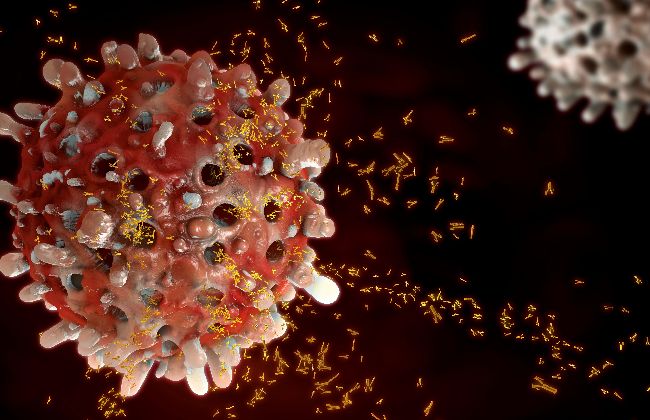
White blood cells produce antibodies to target allergens
Our bodies are constantly reacting to their surroundings. When it gets cold, your muscles work to warm you up. When you need food your stomach rumbles to alert you. When bacteria or viruses enter your body, cells instantly recognise them as harmful intruders to target.
The latter is performed by your immune system, a preprogrammed defence system consisting of organs, cells and proteins that is active throughout your entire body. As well as detecting threats to physical health, the immune system can sometimes become overactive, triggering an unnecessary response to non-toxic substances. This is how allergic reactions arise.
Every cell in your body has antigens. These are proteins that identify the cell and brand it as friend or foe. Our bodies use these to decide which cells to ignore and which to attempt to destroy or flush out of our bodies. An example of those that are usually ignored by the immune system are the cells of food products. We need food to remain in our body to provide us with energy and nutrition. But for some people this isn’t always the case.
If you are allergic to an item of food, it won’t take long to discover that your body doesn’t welcome it. Your immune system will often first react towards the apparent invader when the allergen touches your mouth, likely causing you to feel pain or discomfort. Having wrongly identified a particular substance as a threat, proteins called antibodies are sent to locate the offender, attaching to it. When connected these antibodies act as a signal to other immune cells to show them where the danger is. During this process, histamine is produced. Histamine is the chemical responsible for the persistent symptoms you experience during an allergic reaction. The result of this chemical depends on the location it is released into.
WHAT IS ANAPHYLAXIS?

Epipens contain a drug which constricts blood vessels to reduce swelling and reverse an allergic reaction
Some people’s allergic responses are a seasonal inconvenience, but for others they are much more dangerous. Allergies can be severe and even life-threatening when not managed and responded to hastily.