VAMPIRE PLANTS
Discover the botanical parasites draining the life from their leafy hosts
Words by Scott Dutfield
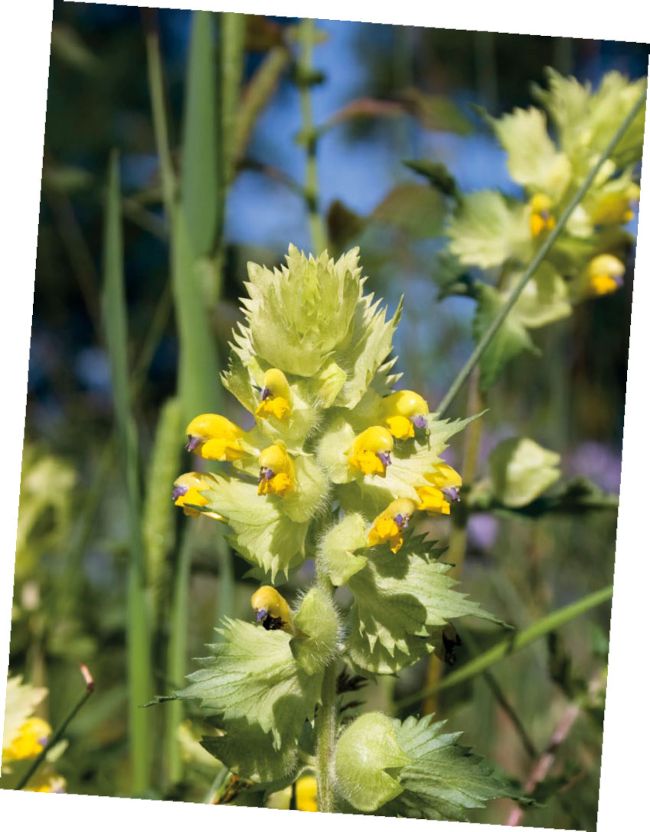
Yellow rattle (Rhinanthus minor) has a particular taste for grasses and can suppress their growth by as much as 60 per cent
DID YOU KNOW?
The largest known parasitic plant is the Okoubaka tree, growing up to 40 metres tall
They don’t shy away from sunlight, nor cower from the scent of garlic.
However, these botanical vampires share an equal thirst for the ‘blood’ of other organisms. Long before Count Dracula was terrorising the people of Transylvania, parasitic plants have been draining the life of others. There are over 4,500 plant species that parasitise plants around the world, but some are more obvious than others. For example, the blood-red corpse flower Rafflesia arnoldii is rare to find, but easily spotted thanks to its almost cartoonish appearance. However, like a vampire stalking the shadows, many parasitic plants carry out their vampiric behaviour in the dark depths of the soil.