LOST CIVILISATIONS
Why these once-powerful nations disappeared, leaving abandoned artefacts and remarkable ruins to tell tales of their reign
WORDSAILSA HARVEY
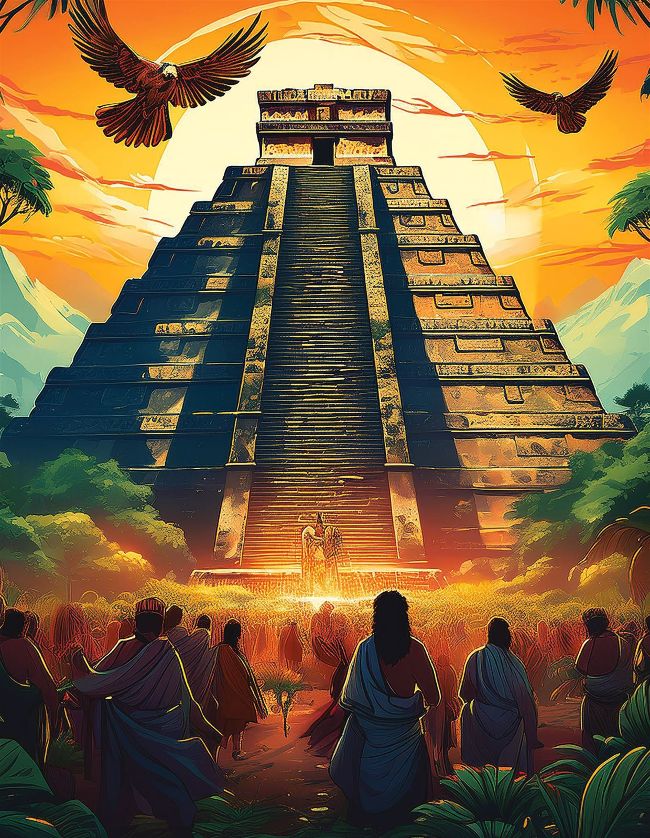
© Adobe Stock/AI generated
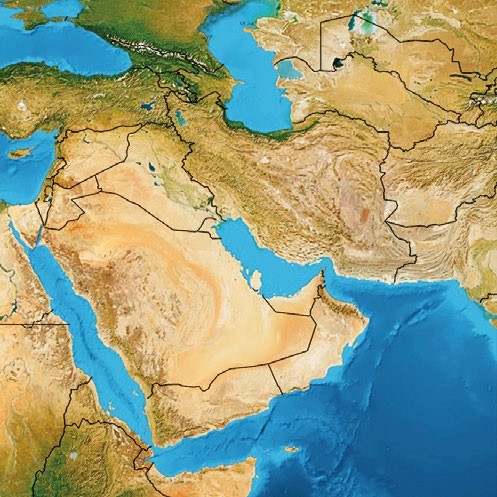
LOCATION
SCRIBES OF SUMER
Ancient Sumer (modern-day southern Iraq) was one of the world’s earliest civilisations. The Sumerians lived between 5300 and 1940 BCE and were the first people to invent written language, called cuneiform. Cuneiform was produced by making marks in wet clay, using reeds as early pens. The region of Sumer consisted of multiple cities, each with its own ruler. In these cities were some of the world’s first schools. There’s also evidence that the Sumerians were the first to divide the day into 12-hour periods, followed by minutes and seconds.
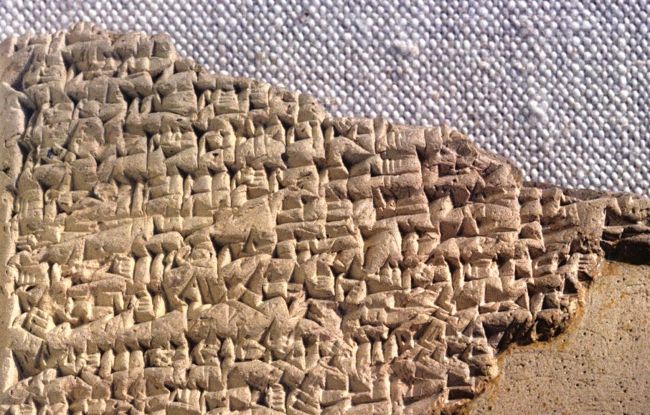
A Sumerian clay tablet displaying the wedge-shaped symbols of cuneiform writing
WHAT HAPPENED TO THEM?
The demise of Ancient Sumer was caused by conflict between city-state rulers, combined with climate factors that impacted their agriculture. Periods of flooding meant cities couldn’t provide enough crops to sustain them. As a result, the Sumerians were weakened when another ancient civilisation – the Elamites of modern-day Iran – invaded Sumer, initiating a brutal war and claiming Sumerian territory. This included pillaging the Sumerian capital of Ur, causing the decline of the civilisation.
DID YOU KNOW? Ancient Sumer’s rulers included one female monarch who took the throne in 2500 BCE
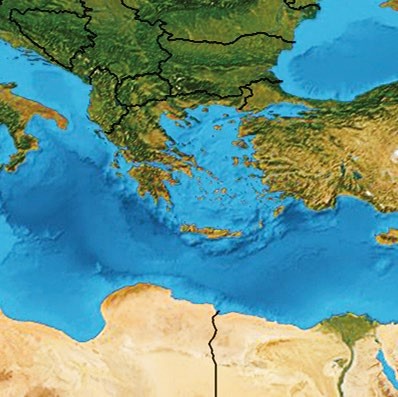
LOCATION
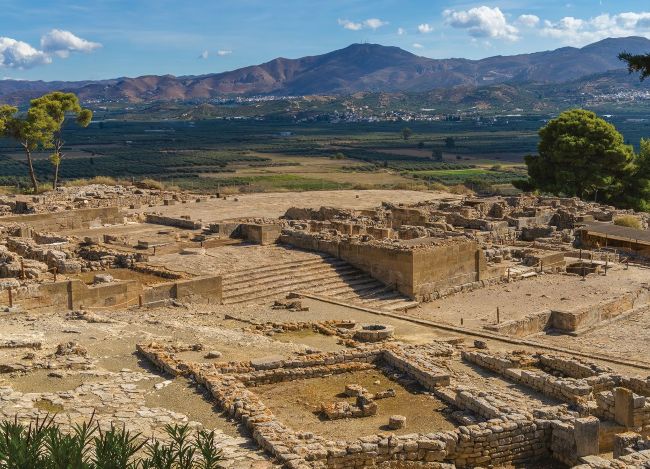
These ruins of a Minoan settlement show where the walls of a palace were built
MIGHTY MINOANS
The Minoans existed on the island of Crete during the Bronze Age, between 3500 and 1100 BCE. It was one of the world’s earliest civilisations and Europe’s first. They developed a powerful navy and created impressive displays of art and architecture, which was rare for the time. This included painted pottery called Kamáres ware, which was connected to palace culture on the island. Some surviving archaeological evidence of this artwork includes spouted jars, ridged cups and storage containers featuring abstract patterns. Besides their artistic flair, Minoan life included fishing along the coast and trading agricultural produce for metals and other resources the Minoans couldn’t produce on their island.