KEEPING THE PLOT
‘Statutory protection’ of allotments is often cited, little understood – and under threat. Gaby Bartai investigates the state of play on the plot

Farm Terrace Allotments bulldozed
It’s all too easy for those in favour of development to portray allotmenteers as selfish individualists defending their right to pursue their hobby at the expense of the wider community. Given the urgent need for housing and other amenities, allotment sites in what are now prime development locations can be seen as an anachronism that can no longer be indulged. But the right we are defending is a fundamental one: allotments are the last remnant of the common land that once belonged to everyone. Allotment provision began as a response to the Enclosure Acts which fenced off common land, leaving the poor with nowhere to grow food. Eventually, legislation was passed requiring landowners to provide compensatory allotments. For those without private gardens, allotments are not a privilege – they’re a birthright.
Allotment rights hit national headlines in 2016 when the Farm Terrace campaigners (featured in KG in March 2017) lost their four-year battle to save their site. Although the plot-holders won two court cases, Watford Borough Council persuaded the judge in the third case that its need for development land constituted the ‘exceptional circumstances’ which can override statutory allotment protections.The campaigners described the judgment as a ‘developers’ charter’ which would pave the way for many more closures. So what has changed – and what can we do about it?
“Allotments are the last remnant of the common land that once belonged to everyone”
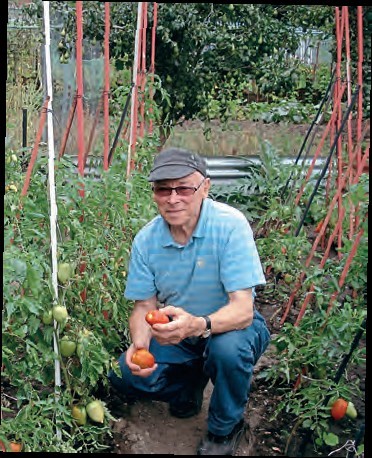
Once a thriving site…the inspirational plot of Vincenzo Santasiero, who gardened at Farm Terrace for 44 years.
PLOT LAWS
The Small Holdings and Allotments Act 1908 made it compulsory for local authorities to provide plots for the ‘labouring poor’, and the Allotments Act 1922 extended this, making allotments available for all ‘where a need was shown to exist’ and providing some security of tenure. Finally, the Allotments Act 1925 laid down that statutory sites could not be disposed of without ministerial consent. (This does not apply in Scotland.)
The only major piece of allotment legislation since then has been the Allotments Act 1950, which improved security of tenure and compensation terms. In 1998 a Select Committee recommended urgent action to protect allotments, including that temporary sites in use for more than 30 years should become statutory, and that much more should be done to improve and advertise a site before it was closed. However, the Government took little notice, and nothing became law.