Apple Watch is
How Apple’s wonderful wearable went from ‘meh’ to ‘wow’
Written by Carrie Marshall
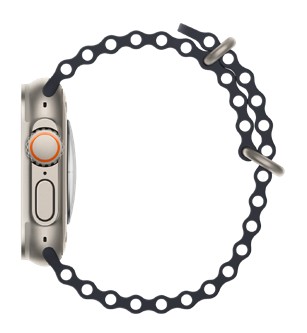
Image credit: Apple Inc
B ack in April 2015, Tim
Cook unveiled “Apple’s most personal device yet”: the Apple Watch.
It was the first new Apple product created under Cook’s – ahem – watch, and some pundits expected it to fail: in an echo of the famous iPod criticism posted on Slashdot (“No wireless. Less space than a Nomad. Lame”), some critics pointed at the better specs of rivals and predicted an embarrassing failure…
But by 2020, Apple was selling more watches than the entire Swiss watch industry put together.
But the critics had a point. Like the original iPhone, the first Apple Watch was unfinished. It was dreadfully slow; its interface wasn’t great; it had terrible battery life; and Apple didn’t seem entirely clear what it was actually for. But, despite all of these things, it sold in the millions and established what would soon become one of Apple’s most compelling devices.
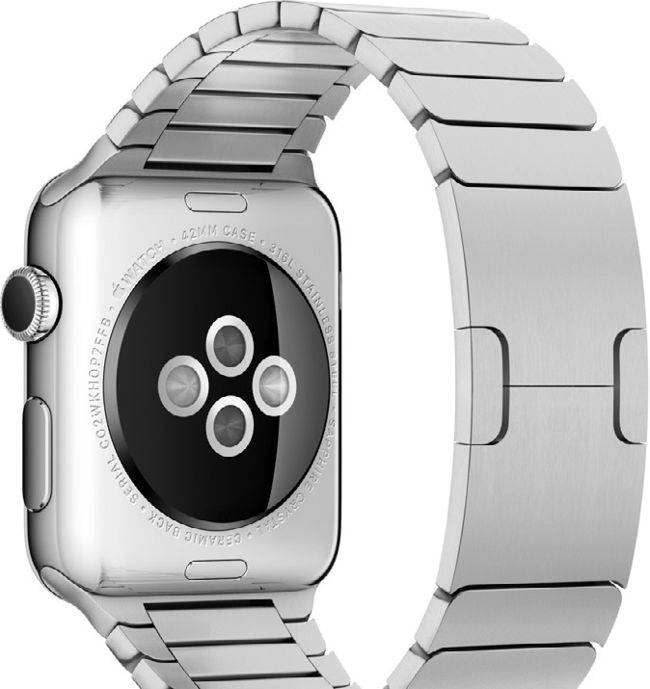
The first Apple Watch incorporated the heart rate sensor made up of photodiode sensors and LEDs.
In the beginning
The Apple Watch was the first new product that wasn’t overseen by Steve Jobs, who died in 2011. Fast Company was one of many publications who believed that without Jobs’ magic, the watch would be a vanity project by Apple design chief Jonathan Ive – a man “who has become more obsessed with Bentleys and Rolexes than making attractive, functional technology that will actually make life better than the 99%.”
The Apple Watch Edition suggested that they might have a point. The luxury version of the first generation Apple Watch was made of 18-karat gold and started at £8,000.
But, despite the obvious flaws and the off-putting Edition, Apple had found a magic formula. In the first six months Apple sold 4.2 million Apple Watch models, making it the world’s best-selling wearable device. And much of what the first-generation could do was impressive – such as step tracking, fitness rings and heart rate monitoring. It also enabled you to pay with Apple Pay and, thanks to its clean design and interchangeable straps, it managed the rare trick of looking good with casual, gym and formal wear for any gender and for any style.
Apple was quick to refine the first-generation, adding a dual-core processor in 2016 that made a huge difference to its previously sluggish performance and helped with its battery life too. Apple cut the price slightly for the refreshed model and launched it alongside a new version, setting a pattern that it’d follow for years to come. That new watch added GPS, which made the Apple Watch even more attractive to fitness fans, and it added water-resistance so you could swim or shower without taking it off.