Arc vs Chrome
A new challenger enters the battle of the browsers
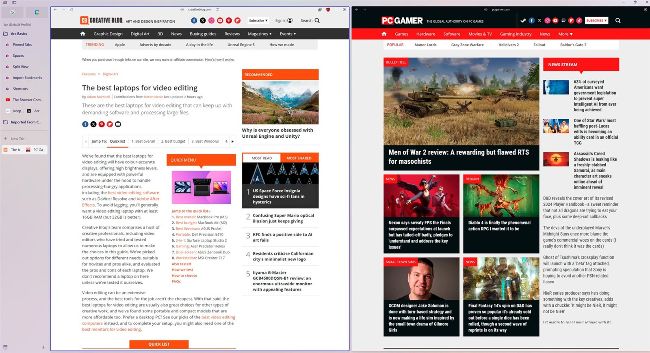
© THE BROWSER COMPANY
THINGS HAVE BEEN relatively quiet in the world of web browsers for a while, if you overlook Microsoft’s constant pressure on Windows users to switch to Edge.
The MS browser has greatly improved since the switch to Google’s rendering engine, Blink, itself a fork of Apple’s older Webkit engine used in Safari. Microsoft also has Trident (Internet Explorer) and EdgeHTML (older versions of Edge), while Firefox runs on Gecko. There are others, too.
These engines affect the way websites, which exist as lines of code and image files on a server somewhere, are displayed on your computer. The differences between them mean they don’t always render web content identically, especially in these days of embedded content, multiple coding languages, and plugins that mean a browser may be pulling information from many different sources to create the site you see.
What this means is that despite there being lots of different browsers, many of them are running on the same engine, and may not be as different under the hood as you expect. While this is good for consistency, and makes it easier to create standards-compliant web pages that will load well in any browser (cross- browser testing is an artform in itself), it does mean that there has been a distinct lack of innovation in the browser market, with things like chatbots being the biggest step forward since online accounts and syncing of bookmarks across computers.