1966 ON 45!
HIGHER AND HIGHER
It was 1965 with bells on, the year the singles charts got wilder, heavier, druggier. Twelve months of traumas, transgressions and transvestism, experiments and explosions. How 20 revolutionary platters from 1966 revealed "the secrets of space and time". "Intensity was the keynote," says JON SAVAGE.
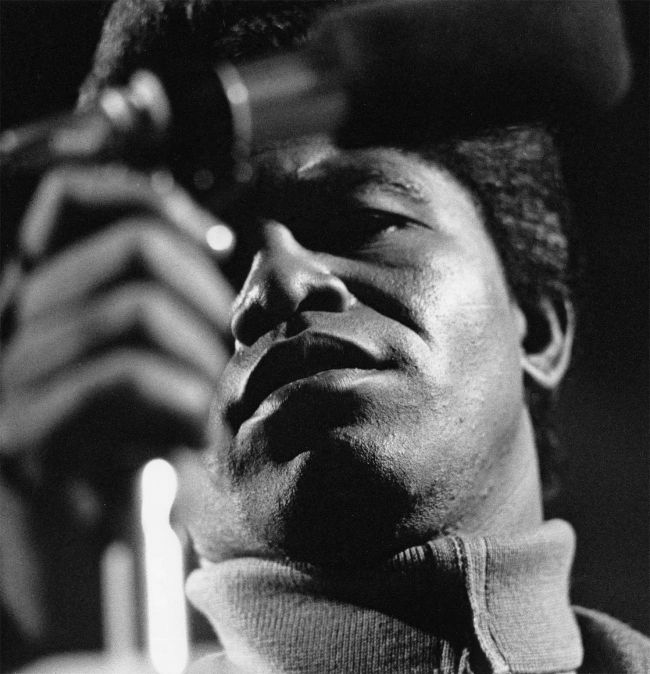
1966 and all that: Godfather of Soul James Brown gets on the good foot in ’66 on Ready Steady Go!.
Tony Gale/Alamy
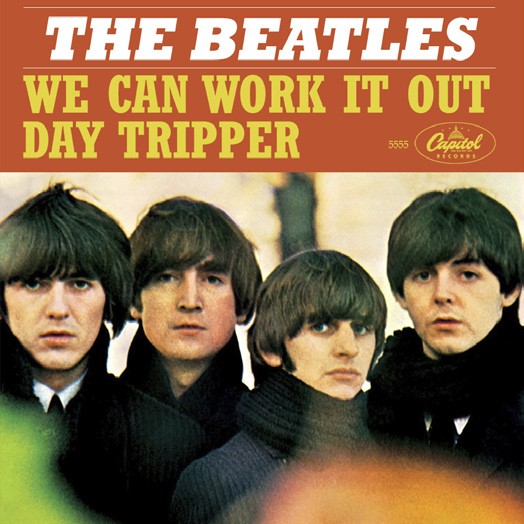
THE PACE WAS QUICKENING. The US Number 1 on January 1, 1966 was Simon And Garfunkel’s paradoxical ode to urban alienation, The Sound Of Silence – to be replaced a week later by The Beatles’ We Can Work It Out – also at the top in the UK in the new year. Harsher sounds, deeper lyrics were the result of two new influences on mainstream pop: the impact of folk’s outsider bohemianism and the very start of the psychedelic drug culture. 1966 would shape up to be a very interesting year: 12 months of technological advances, lyrical and musical depth, and polarising attitudes played out in the pop charts.
This was a key year for the big players – The Beatles, The Rolling Stones, Bob Dylan, The Beach Boys, Stax and Motown – all of whom were involved in an arms race of competition and innovation. It was the year when California began to assert its status as the leader of pop trends, taking over as the pop capital from New York and Swinging London (which was, despite Time magazine’s notorious cover, essentially over), with acts like The Byrds, The Mamas And The Papas, The Association and, later in the year, The Monkees. The Sunset Strip replaced the King’s Road as teen central, at least until the October crackdown by the LAPD.
In the UK there were younger teen acts coming through – The Walker Brothers, The Troggs, Small Faces – with the withdrawal of The Beatles and the increasing age of their original audience. There was a return to basics in the US with the development of the hard-edged American rock that had been sidelined by the British Invasion: the distance between Louie Louie and 96 Tears is not a large one. What’s often forgotten is how successful many of these records were, with Top 100 hits by The Standells, Count Five, The 13th Floor Elevators.
As Civil Rights morphed into Black Power, it was a great year for black American music. Motown had three US Number 1s – including The Four Tops’ epochal Reach Out I’ll Be There (a UK Number 1 as well) – and over 15 Top 20 entries. Southern soul broke through with hits from Otis Redding and Percy Sledge while Wilson Pickett went into the US Top 10 with his version of Land Of 1000 Dances. James Brown had two Top 10-ers with I Got You and It’s A Man’s Man’s Man’s World. In the UK, where Stax and Soul were popular among the cognoscenti, tours by Otis Redding, James Brown and Lee Dorsey sent their records into the hit parade.