FILTER BOOKS
Light and heat
Built around access to Reed’s personal archives, a sympathetic portrait of a vastly talented but difficult man.
By Jon Savage.
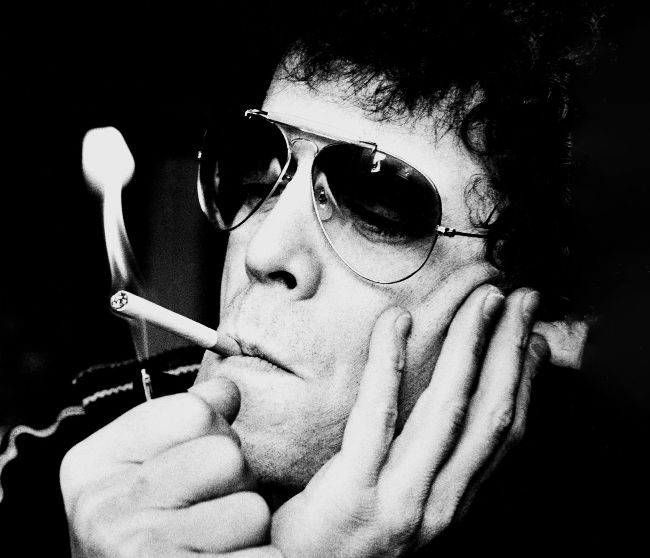
High in the city: Lou Reed in 1972, living it like he talked it.
Gijsbert Hanekroot/Alamy
Lou Reed: The King Of New York
★★★★
WHigh in till Hermes
VIKING BOOKS. £25
WITH SHELVES of books on The Velvet Underground and Lou Reed, is there anything new to say? This sharp, tight, well-str uctured biography delivers a convincing affirmative, not least because Will Hermes has had access to Lou Reed’s personal archives, deposited in the New York Public Librar y after his death. These illumine the difficult years after 1979 – when Reed cleaned up his act – and deliver delightful details like John Cale’s note to Reed with a copy of What’s Welsh For Zen, hoping that the book will prompt, “at the very least, a distant smile of amusement. After all, it really was the most outrageous fun, wasn’t it?”
As you’d expect from the title, the book is particularly good on Reed’s fascination with his adopted metropolis, Manhattan. This began in his teens when, taking his cues from outsider writers like Hubert Selby and John Rechy, he began to tour the city’s underworlds. This preoccupation with the monstrous city would persist throughout his life, not just in The Velvet Underground And Nico, but in albums like Transformer, Street Hassle, New York and even one of his final releases, the ambient Hudson River Wind Meditations. As part of this, Hermes explores Reed’s ambivalent sexuality. Homosexuality was part of his, and Warhol’s shock armour y in The Velvet Underground, but it had roots in both their lives. Reed’s continuing willingness to explore this facet of human nature led to groundbreaking works that explored gay, bisexual and non-binar y culture, most notably in the signature songs Candy Says and Street Hassle, as well as living it like he talked it: his partner in the mid ’70s was the transgender Rachel Humphreys, unforgivably insulted by Lester Bangs.