HOW TO BUY
Dusty Springfield
Who’s a 1960s pop genius? Dusty… definitely.
By Andrew Male.
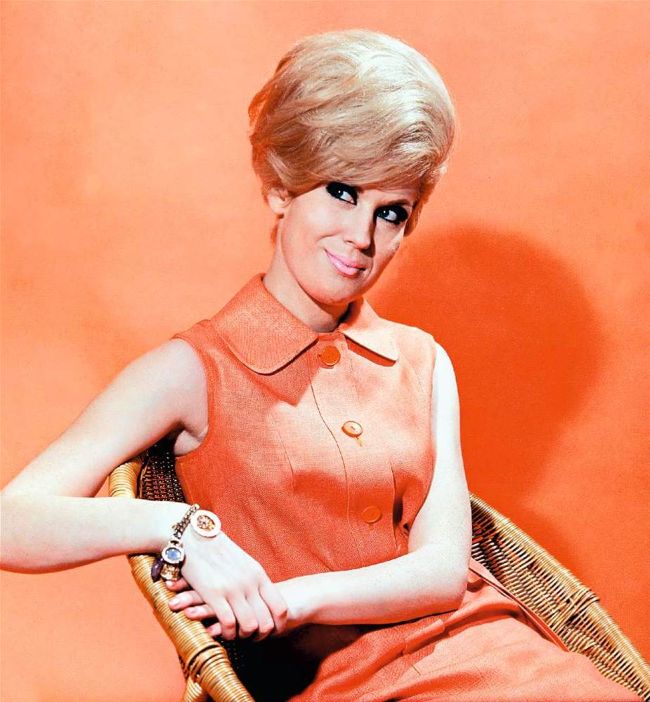
Don’t forget about me: Dusty Springfield expressed vulnerability and intimacy in seemingly throwaway pop.
Alamy
IN 1966 DUSTY Springfield was the world’s biggestselling female artist. If that reads like an unlikely statement in 2022, it’s some indication of how her star and her reputation have waned in recent years.
The woman born Mary Isabel Catherine O’Brien in West Hampstead in 1939, grew up in a dysfunctional if musical middle-class family and started singing with her brother Tom in folk clubs and holiday camps, eventually forming their own folk-pop trio.
It was with the release of her first solo single, I Only Want To Be With You, in November 1963 that her identity began to emerge: a bouffant and mascara’d British reboot of the Brill Building girl group sound with a perfect pitch mezzo-soprano who could find joy and liberation in songs of heartbreak and despair; a vulnerability and intimacy in seemingly perky, throwaway pop. The hits kept coming –I Just Don’t Know What To Do With Myself, You Don’t Have To Say You Love Me, Goin’ Back – threeminute pop songs into which Dusty put a short story’s worth of emotion, but it wasn’t easy. Springfield needed a sympathetic and tolerant producer to manage her anxieties in the studio. In the UK that was Johnny Franz, but with her move to Atlantic Records in 1968 her unease grew greater along with severe mood swings, and a need to numb the anxiety with pills and booze. Excellent albums continued into the ’70s but sales declined, recording sessions were abandoned, and Springfield began to hide from the public eye, especially when newspapers became interested in her sexuality and her relationships with American folk singer Norma Tanega and animal rights activist Marsha Barbi.