PageMaker: read all about it
Inspirational stories from computing’s long-distant past
PageMaker’s release 40 years ago kickstarted a revolution in the publishing industry. David Crookes leaves no page unturned to find out how it all unfolded
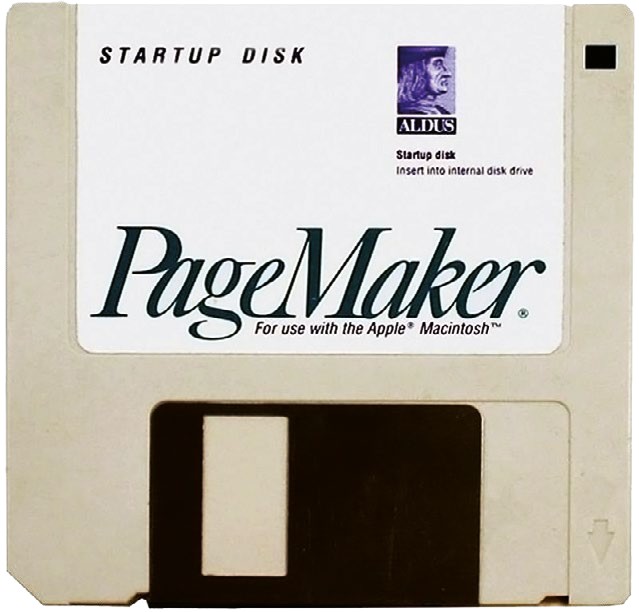
PageMaker helped DTP become a $1 billion business by 1988
Although Johannes Gutenberg invented the movable-type printing press around 1440, producing professional publications long remained a laborious and time-sapping endeavour. If you wanted to create a newspaper or a magazine for much of the first half of the 20th century, you needed skilled workers to use machines to manually assemble letters into lines – a process known as hot metal typesetting.
Even though production methods gradually became more refined thanks to cold type and offset printing, the process of putting words and images on a page remained cumbersome. As an example, in issue 14 of Amstrad Action printed in 1986, there was an article explaining how the magazine was made.
Text would be written on Amstrad CPC 464 and CPC 664 computers using a word processor called Tasword. It was then transmitted down the phone line to a typesetter called Wordsmiths in Somerset. A member of staff would drive over to pick up the finished bromide paper containing columns of text and hand it to the art team to cut up and lay out on large sheets.
It was a semi-manual paste-up process replicated on publications everywhere, with exacto knives and wax being tools of the trade. Camera-ready artwork would be sent to a professional printer and turned into negatives to create printing plates for offset lithography. But every adjustment had to be physical, and correcting mistakes was slow.
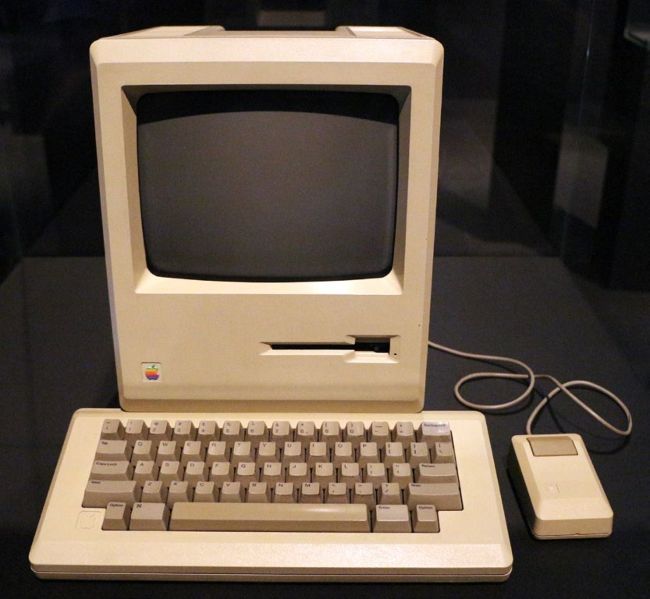
The original Apple Mac gained a strong reputation among creatives because of software such as PageMaker
Cut and paste job
Paul Brainerd, who began his career as assistant to the operations director at the Minneapolis Star and Tribune Company, knew there was a better way. He implemented a pre-press technology created by Atex, a company founded in Massachusetts in 1973. Having seen first hand how computers could make a difference to newspaper production, he ended up working for Atex himself in 1980.
In the same way Amstrad Action writers were bashing out words on computers, Atex’s systems replaced typewriters and paste-up methods with screen-based terminals and a paper-free, server-based system. Newspapers including The New York Times, The Boston Globe and Newsday used Atex, and its impact was global.