The Brexit illusions
Michel Barnier’s blow-by-blow account of the UK’s divorce from the EU reveals a litany of misunderstandings and missed opportunities, argues Julian King
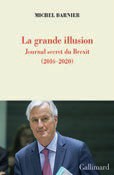
La grande illusion: Journal secret du Brexit (2016- 2020)
by Michel Barnier (Gallimard,€23)
Like Homer Simpson shuffling surreptitiously backwards into a hedge, some would have us believe that Brexit is gradually fading into the background. Not, it’s true, for the businesses dealing with the fallout, or for the people of Northern Ireland. But Covid has shifted the dial politically. Governments are currently defined by their response to the pandemic here, across the EU and elsewhere.
This is not, perhaps, the most promising backdrop to the launch of the diaries from the EU’s chief negotiator Michel Barnier, covering the four long years that he spent grinding away at the problem. But La grande illusion: Journal secret du Brexit (2016-2020) was published by Gallimard in French in May, with an English translation due in the autumn. So who and what is this book for?
Historians, I guess, in the years to come. They will find the key steps of the process set out in detail with a helpful timeline. If, like some—and certainly those of us who sat in the European Commission—you’ve been living this process for the last few years, you won’t discover much new. It’s not clear how “secret” these diaries are: everyone knew Barnier was keeping them and he doesn’t have a trove of previously classified information to reveal. But they do give a blow-by-blow account of what he was doing, saying and thinking at the heart of the negotiations.
In print, as in life, Barnier is uncommonly straightforward for someone who has spent decades in frontline political roles. What you see is what you get, or in this case what you get to read. I have always thought that one of Barnier’s strengths was his consistency. Some saw this as a lack of flexibility or imagination, but it had the benefit of building credibility.
He quotes Churchill’s diaries from between the wars. While I don’t believe that Barnier pretends to anything like equivalent literary merit, he clearly does have a sense of the importance of setting out his version of events, not just for framing the last struggle but for setting out on the next. Because he is, of course, launching his campaign to contest next year’s French presidential elections. And French politicians write books. Some, like Alain Juppé, with real flourish; some to demonstrate their cultural sophistication; pretty much all as a platform for their campaign. The French will still queue to attend a politician’s book signing.