PROSPECT
The imitation game
Of all the novelists writing autofictional narratives, Rachel Cusk is the most original and interesting, finds Miranda France
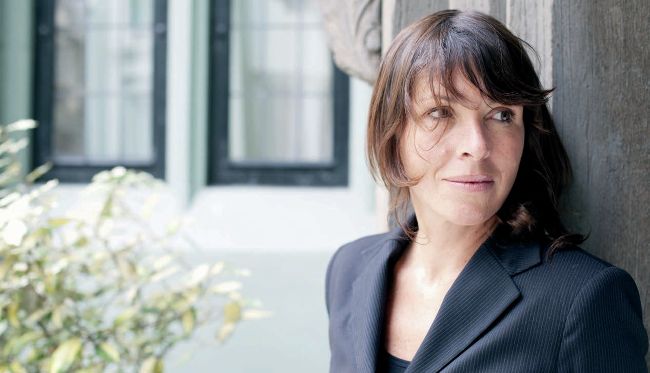
Fiction follows life: Rachel Cusk
© KATHERINE ROSE / GUARDIAN / EYEVINE
In her 2012 memoir Aftermath: On Marriage and Separation, Rachel Cusk pinpointed a dilemma familiar to all warring couples. Her idea about why the marriage failed didn’t match her husband’s. “My husband believed that I had treated him monstrously… It was his story, and lately I have come to hate stories.”
That revelation about storytelling marked a turning point for Cusk as a writer, as well as a wife. Here was a successful, prize-winning novelist questioning the point of fiction. It no longer made sense, Cusk said, “making up John and Jane and having them do things together”—worse, it was embarrassing. She wasn’t alone in feeling this discomfort, which has fuelled the rise of “autofiction”—novels based on what actually happened to the author— by writers like Karl Ove Knausgård and Sheila Heti. Cusk’s response has been the most interesting, though, and her trilogy—Outline (2014), Transit (2016) and Kudos (2018)—represents a radical
reimagining of the novel. Instead of using a collection of characters to advance the protagonist’s “story,” a technique favoured by novels for the last 500 years, the narrator, Faye, steps back and almost out of the action.
We learn that she is an author, does some teaching, goes to literary festivals and is struggling to renovate a flat. Otherwise, Faye exists only as a conduit for the stories of people she meets, reporting them in detail and without comment, almost as though for official purposes. The characters speak at length, unmediated by a narrator, whose “outline” is filled up by their experiences and ideas. It’s an act of extreme withdrawal or asceticism, perhaps partly in response to the hostile reaction from some quarters to Aftermath. Cusk spoke then of the lure of silence or self-erasure. Here was a way to write and be silent.