SLY & THE FAMILY STONE
BUYER’S GUIDE
Sly’s long-players in a nutshell
MICHAEL OCHS ARCHIVES/GETTY IMAGES; TIMOTHY A. CLARY/AFP VIA GETTY IMAGES
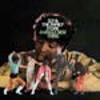
A WHOLE NEW THING (1967)
Sly & The Family Stone’s debut was loaded with intricate arrangements. “Advice” resembled avantgarde composer Terry Riley as much as soul radio. “Trip To Your Heart” took its own title literally with dense, swirling harmonies and a freakout ending.
DANCE TO THE MUSIC (1968)
“A repetitive theme interspersed with shtick” was how Family Stone manager David Kapralik described “Dance To The Music”– but it was brilliant shtick. The album was more, and less, of the same, including a 12-minute medley that predicted the disco remix.
LIFE (1968)
The first Family Stone album that adds up to more than the sum of its parts: the hooks punch throughout. But it’s still a tad straight-laced compared with its successors – it took a shade more wildness to burst.
STAND! (1969)
Sly at his Aquarian peak: “Stand!” and “Everyday People” and “You Can Make It If You Try” are simultaneously inspirational and no-BS, and the rhythms are commanding and buoyant throughout. It stayed on the charts for two years, for good reason.
FRESH (1973)
Riot’s follow-up contained funk just as jagged as its predecessor. But the feel was a lot friendlier, with the peak track, a cover of “Que Sera, Sera,”a tongue-in-cheek dig at rumours of romance between Sly and Doris Day (her son, Terry Melcher, was an engineer on Riot).
SMALL TALK (1974) Things takea turn for the automatic lyrically, with the titles like “Time For Livin’” and “Can’t Strain My Brain” telling the tale. The grooves move plenty, but only on “Loose Booty” do things really explode.
HEARD YA MISSED ME,
WELL I’M BACK (1976)
His arrangements were still daring, but the tunes themselves had gone completely slack. “Sexy Situation” is as prim as Doris Day.
BACK ON THE RIGHT TRACK (1979)
Sly’s liveliest album since Stand! – but the fall-off in his songwriting reduces the good grooves to something less than memorable.
AIN’T BUT THE ONE
WAY (1982)
The first Jackson 5 hit aped the Family Stone model; here, Sly’s slick grooves and vocal trade-offs resemble disco-era Jacksons. It’s not an improvement.