body RESISTANCE TRAINING
Making muscle
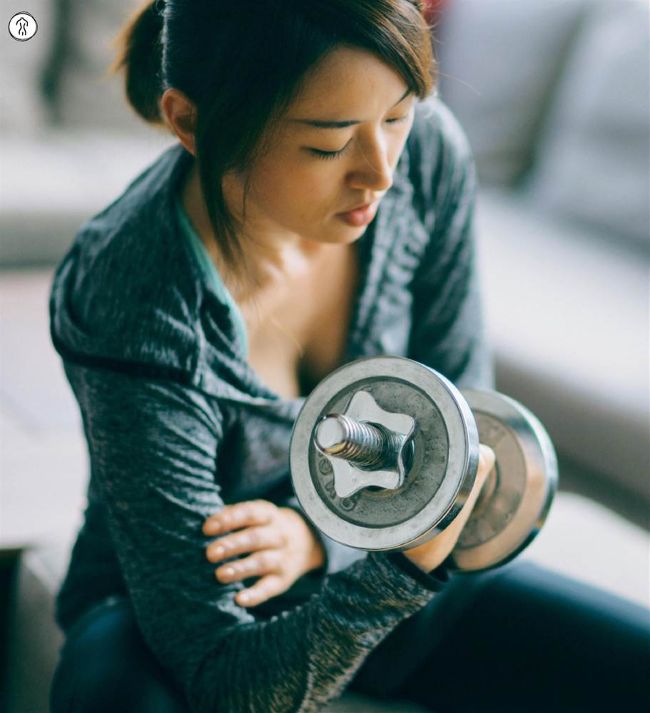
Building your muscle through resistance training does much more than allow you to flex in the gym — it has many important health benefits, not the least of which is that it keeps you young.
Words TERRY ROBSON
Photography Getty Images
If you are inactive and do not exercise as an adult you lose between 3 and 8 per cent of your muscle mass per decade. That’s the bad news, but the good news is that just 10 weeks of strength training can reverse a lot of that loss and boost your metabolic rate at the same time. Training to build your strength and muscle is very good for you and it is not new. Lifting things to build muscle has been practised by human beings for millennia.
It is entirely possible that our Mesolithic and Neolithic ancestors noticed that lifting rocks made them more ripped and stronger in the process. In earlier times our Palaeolithic forebears may have been even more motivated to pump rock so that they could flex over their neighbouring Neanderthals and Denisovans, but then again they may have been too busy developing recipes that could be used in 21st century cafés. So, while our Stone Age relatives probably did do strength training, they just couldn’t be bothered drawing pictures of themselves doing it.
In anaerobic exercise the body creates energy without oxygen because there is not enough oxygen present and so it ends up burning
fuel other than
glucose, like fat.
With the coming of the Vanity Age (otherwise known as the Bronze Age), however, humans decided that what they do deserves to be recorded, and in the process we find evidence of strength training dating back around 4000 years. On the walls of Egyptian tombs we find pictures of humans using bags filled with sand and stone in swinging and throwing exercises. Weightlifting competitions date back to early Greece and similar things were done in Rome, Germany, Scotland and Spain.
The objects that were lifted were quite rudimentary for many centuries, but a big step forward came in the 1700s when someone decided to run a rod through two church bells and lift them by grasping the rod. Since the clappers were removed from the bells to make them silent (or dumb), this device became known as a “dumbbell”. Meanwhile in Russia they were using kettlebells for weight training, kettlebells being the counterweights they used for weighing dry goods. In the 19th century machines using pulleys and ropes brought new sophistication to weight training, but it was the invention of the “Nautilus” using variable hydraulic resistance that made weight training not only accessible but trendy. Today no self-respecting gym would be without its phalanx of strength-training equipment being used by women and men trying to maximise their muscle. There are many other forms of strength training available too, and they all yield health benefits beyond the muscle they build. To get motivated for your muscle building it will help to understand exactly what type of strength training will work for you and the many benefits you will achieve in the process.