ARE YOU DRINKING ENOUGH ?
Too much water? Not enough electrolytes? We take a deep dive into the hotly contested area of hydration
Words: Lucy Waterlow
S
taying hydrated is key for a well-functioning body, and even more important for runners as we lose fluids through sweat – the body’s cooling mechanism – when exercising. Keeping topped up with liquids during a long-distance run can avoid dips in performance associated with dehydration and prevent headaches, dizziness, muscle cramp and fatigue. In extreme cases, dehydration can lead to heat stroke and can even be life-threatening.
However, before you start downing pints of H2O to avoid dehydration, be warned that drinking too much water is also not good for you and can even be fatal. So how are we supposed to strike the balance of staying healthily hydrated?
How much do I need to drink?
According to UK dietary guidelines in the Eatwell Guide, adults should aim to drink six to eight cups/glasses of fluid a day. The guide does not specify what size these should be, but the standard UK cup size is 250ml, which means having 1.5-2 litres per day in our everyday lives. Runners will need more depending on their training schedule and the conditions when exercising (more on this to follow). Nutrition coach and ultrarunner Laura Lane (lauralane.uk) says our daily intake doesn’t just have to be water. “All fluids count, with the exception of alcohol,” she says. “Foods with a high water content such as fruit, vegetables and soups can contribute to your daily fluid needs.” Juices and smoothies count too but the Eatwell Guide recommends limiting these to 150ml a day because they contain free sugars that can damage teeth.
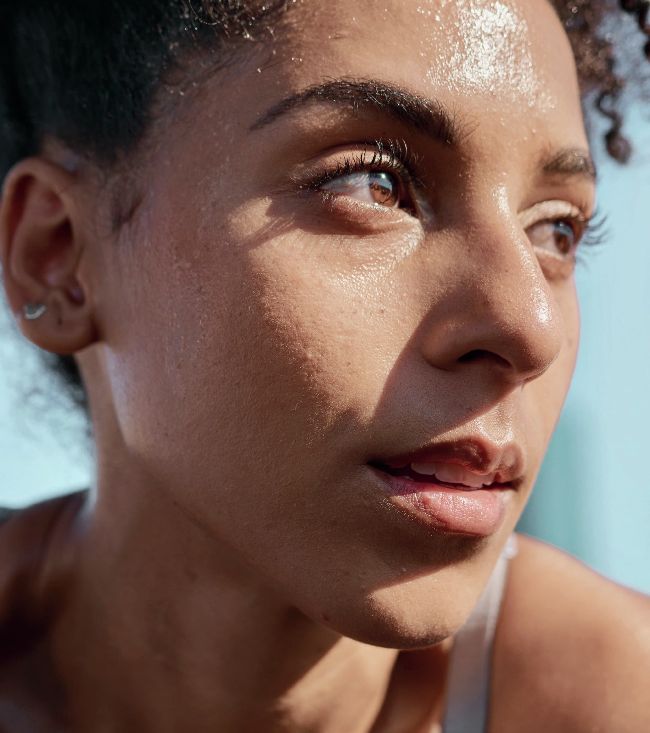
Some people sweat more than others, and some lose more salt in their sweat