Henry Fielding
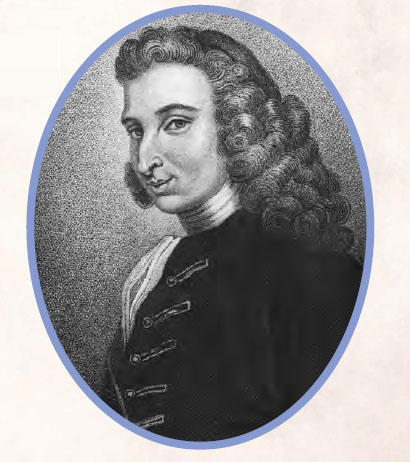
Tony Rossiter shows how a successful playwright became a bestselling novelist
The techniques and tricks of …
The ‘father of the English novel’ was Sir Walter Scott’s description of Henry Fielding. At more than 800 pages (Everyman Library edition), Tom Jones, his most famous novel, is by some distance the longest book I’ve tackled in this column.
The History of Tom Jones, a Foundling (to give the book its full title) was first published in six volumes in 1749. It was a huge popular success – an immediate bestseller. The novel is divided into eighteen books, each opening with an introductory chapter in which Fielding addresses some moral or social issue, typically accompanied by his own philosophical reflections, which he often then relates to the novel’s past or future narrative (both these and the main body of the novel contain occasional classical references, some in Latin; most of these were lost on me). It’s clear from this how very carefully he had planned the novel’s construction.
Fielding described his novels as ‘comic epics in prose’. He believed (as he wrote in the first chapter of Tom Jones) that the author should provide a ‘mental entertainment’ for public consumption. And that’s exactly what he did, painting a vivid and compelling picture of England in the mid-18th century. Tom Jones is notable for its rollicking episodes, memorable characters and brilliant plotting – and for the breadth and generosity of its moral vision.