GB
  
You are currently viewing the United Kingdom version of the site.
Would you like to switch to your local site?
7 MIN READ TIME

GET THE WRITE IDEA

GET THE write idea

Convey a variety of human experiences and states of being in these creative writing exercises to try right now

SLEEPLESS
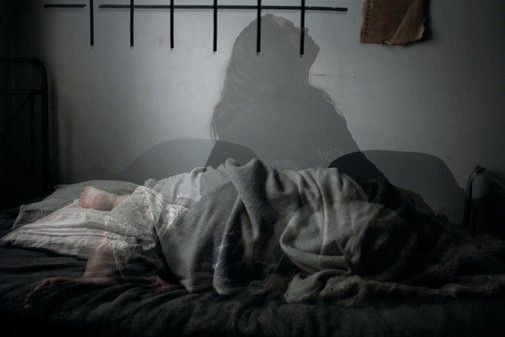
Photo by Megan te Boekhorst on Unsplash

Convey a state of insomnia.

Who can’t sleep, and why?

Is it temporary? Brought on by a particular circumstance? A long-lasting condition?

What does it feel like? Think about how the body experiences sleeplessness. How will you convey that in words?

What thoughts go through the person’s mind, and how does their sleeplessness affect their mental process?

In terms of story, what might happen as a result of the sleeplessness?

Write in any style or form for 15 minutes.

SMALL PLEASURES

Photo by Alisa Anton on Unsplash

Write about the life-enhancing qualities of micro-details.

First, look at the image and locate what you consider might give the person in it particular pleasure. The shape of the cup? The colour of the nails, etc...

Then, consider some of the things that might afford you, or a character you’ve created, particular pleasure, or make a positive difference in your/their outlook. Make a list, bearing in mind that nothing is too small or apparently insignificant.

When you’ve done this, write a passage of poetry or prose evoking the small pleasures and in each case, what it contributes in terms of happiness or wellbeing.

Read the complete article and many more in this issue of Writing Magazine
Purchase options below
If you own the issue, Login to read the full article now.
Single Digital Issue September 2024
 
£5.99 / issue
This issue and other back issues are not included in a new subscription. Subscriptions include the latest regular issue and new issues released during your subscription. Writing Magazine
Annual Digital Subscription £59.99 billed annually
Save
17%
£5.00 / issue
6 Month Digital Subscription £29.99 billed twice a year
Save
17%
£5.00 / issue

This article is from...


View Issues
Writing Magazine
September 2024
VIEW IN STORE

Other Articles in this Issue


Writing Magazine
Part two: MODULATION
NEW SERIES! ADVANCED CREATIVE WRITING TECHNIQUES
CHARACTER DEVELOPMENT: Writing characters over time
Novelist Amy Neff looks at evolving the characters in your fiction over the course of their lifetime, with advice on how you can develop them as they go through different life stages
WRITING A HIGH CONCEPT love story
A high concept can take you all the way to publishing success – if you get it right. Follow the insights from leading authors of high-concept commercial fiction and see if you can make it work for you, too!
LINES ON loss
Grief is part of life – and as writers, how do we deal with it in words and use it in our work? Author Penelope Slocombe reflects on the relationship between grief and creativity
REAL LIFE, great stories
Writing from life involves giving careful consideration to how you will portray people, says Jenny Alexander
CRIMINAL JUSTICE
Lawyer turned crime writer Steve Cavanagh tells Tina Jackson about the courtroom insights that feed into his unputdownable legal thrillers
Before my memory fades
Zoë Richards has just become a debut novelist in her 60s. Here, she writes about the way her lived experience of mental health issues fed into writing the book whose themes of recovery and community achieved her lifelong dream of publication
The fields remain dark
As folk horror undergoes a surge in popularity, Alex Davis looks at the distinctive elements of modern folk horror
Editorial
DEAR READER
Whatever we write needs us to use the
CREATIVE WRITING
Sleuth truths
Hannah Dolby’s new novel stars a Victorian lady detective. Here, she looks at the intrepid women of the Victorian era – in fiction and reality – and offers tips for historical fiction writers wanting to challenge assumptions
L. M. NATHAN
The debut author of dystopian YA always wondered if she could be a writer – and began her journey into print when she started taking her dream of publication seriously
Your writing critiqued
James McCreet applies a forensic micro-critique to the beginning of a reader’s manuscript
THE BUILDING BLOCK OF CHARACTER: PART THREE
Author and tutor Ian Ayris provides you with deep insights into how you can make your characters feel real, using an example story
FILLING THE GAP
Alison Chisholm explores how the felling of an iconic tree inspired a poem
Making the right CONNECTIONS
Everything in your novel should work together to keep readers turning the pages, says Margaret James, as she explores ways of tying together the elements in your fiction
What’s going on?
Helen Walters explores how you can tell tales of the inexplicable in your short fiction, with an example story by Nathaniel Hawthorne
TONE IT UP
Get your picture books in tip-top shape for the Picture Book category of WM’s Children’s Book Prize, with advice from Amy Sparkes
COMMUNITY AND COMPETITIONS
Sleep on it?
Lynne Hackles offers a solution of sorts to resolving story dilemmas
The world of writing
What goes through a writer’s brain? Readers’ letters and dispatches from the wide world of writing
IN THE SPOTLIGHT: YOUR WRITING Ending
The WM writers demonstrated the depths of their
Subscribers’ news
To feature in Subscribers’ News contact: tjackson@warnersgroup.co.uk HAPPY
INTERVIEWS AND PROFILES
SHELF LIFE
KATE QUINN
K J DANDO
The ideas-rich, time-poor thriller writer tells Lynne Hackles about how juggling writing with a full-time job led to him writing his debut on his phone
LOUISE SWANSON
Margaret James talks about dystopian tales to the author whose prescient novel opens with the premise that fiction has been banned by the government
INSIDE THE INDUSTRY
Kiddy commerce
There’s no one-size-fits-all approach when you write for children. Simon Whaley chats to two children’s authors about their different writing businesses
Public libraries’ ONLINE RESOURCES
Dr Tarja Moles guides you through the local library resources you can access through your computer
Behind the tape
Expert advice to get the details right in your crime fiction from serving police officer Lisa Cuttsts
Potential developments
What’s going on in a development editor’s mind when they read your manuscript? Cornerstones’ Monica Chakraverty explains what the editor will be looking for, and the benefits of applying those insights to your self-editing process
GET PUBLISHED
You’ve read the advice – now get into print! Find the most up-to-date calls for submissions, writing competitions to enter and publishing opportunities to suit you and your writing in our easy-to-navigate news pages
Chat
X
Pocketmags Support