ALVIN AILEY
BORN TO dance
A giant of contemporary dance, Alvin Ailey formed a company in 1958 that remains one of the most famous in the world. More than 30 years after his untimely death, a fascinating new film, Ailey, reveals a gay man who was able to express himself on stage but rarely in real life. David McGillivray spoke to its director Jamila Wignot to find out more
NORMAND MAXON

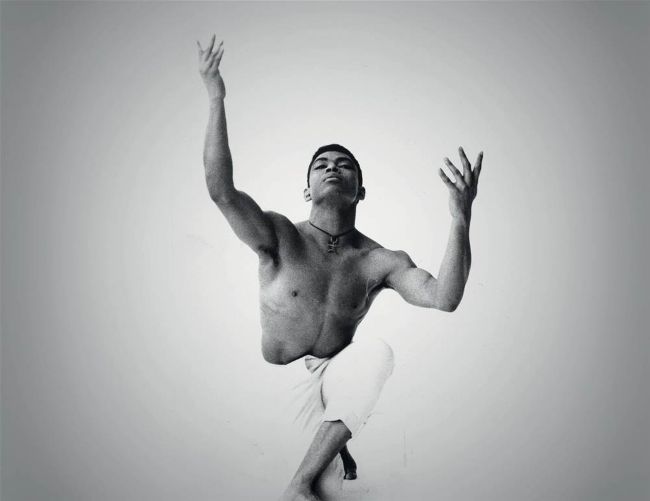
VISIONARY: Ailey with some of the dancers in his 1954 work, La Creation du Monde
LOC/ALVIN AILEY DANCE FOUNDATION, INC.
REEL STORY:
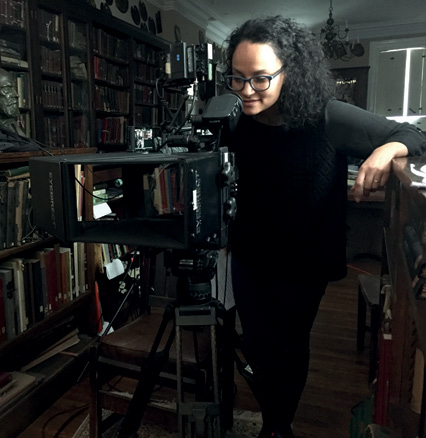
Ailey director Jamila Wignot
B
orn in Texas in 1931, African-American Alvin Ailey shone in his school gymnastics class, but social attitudes at the time meant that, at first, his real love — for dance — had to stay a secret.
In 1942, just after the United States entered the Second World War, Ailey moved to Los Angeles, where he discovered the Ballet Russe de Monte Carlo and the Katherine Dunham Dance Company. In 1949, his school friend (and later dance partner) Carmen de Lavallade encouraged him to attend classes held by Lester Horton. The gay choreographer, with his radical ideas about promoting dance from Native American and non-American cultures, had a profound effect on Ailey, and he remains an influence on contemporary dance today.
After Horton’s death in 1953, Ailey took over as director of the Lester Horton Dance Theater and began to choreograph his first shows, drawing on his memories of growing up in Texas as well as the blues, spirituals and gospel for inspiration.
Just a year later, in 1954, Ailey moved to New York City — then a hive of all forms of modern art. During the 50s and 60s, he appeared in four Broadway shows. Yet he found that, for Black people, the opportunities to dance were severely limited. This was the catalyst that drove him, aged just 27, to form his own dance company, the Alvin Ailey American Dance Theater, in 1958.
Ailey poured his energies into his art at the expense of his personal life. He kept his sexuality hidden from the public until just before his death. He was in his late forties when he fell in love for the first time, but the affair was doomed. This, combined with his escalating drug use and the death of his friend Joyce Trisler in 1979, led to Ailey suffering a breakdown in 1980. He was then diagnosed with bipolar disorder.