ENERGY EFFICIENT masonry
Anna-Marie DeSouza investigates brick and block construction – the most popular UK build system – to uncover its sustainability qualities
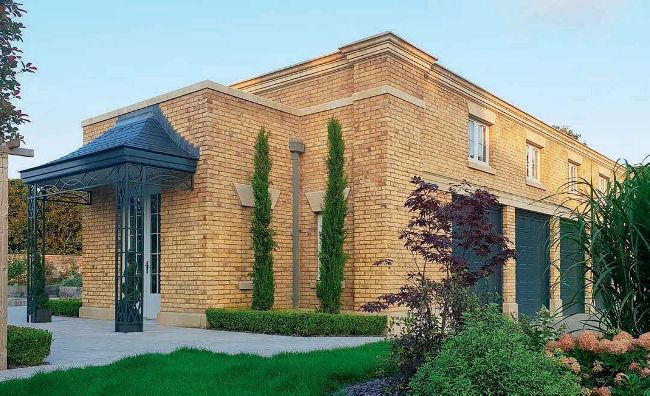
This new house used approximately 65,000 imperialsized London Yellow Stock bricks from Imperial Bricks. For this particular project, the units were laid with ‘clean’ faces, as the brick faces are reversible
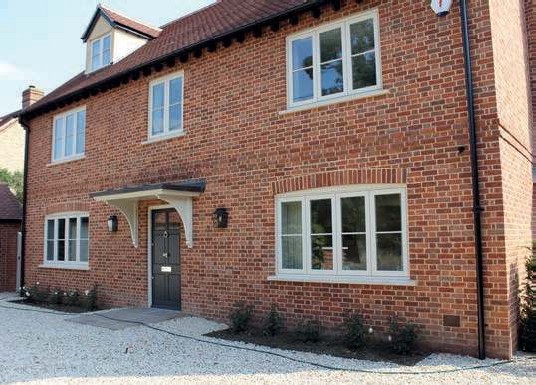
According to Northcot Bricks, providing a masonry home is well designed and built, the energy efficiency of the structure should endure. Potential problems can arise due to the quality of workmanship, which if inadequate, can increase the risk of cracks developing over time, compromising thermal performance
There’s a huge variety of options when it comes to selecting a structural system for your new home. If you’re looking for something that will provide an efficient and sustainable house, you may be surprised to learn you’ll be spoilt for choice. Developments in modern construction methods mean that achieving high levels of energy efficiency is now easier than ever – which is just as well, given the Building Regulations now demand a high level of performance as standard.
Brick and block is a solid, familiar and cost-effective system that offers plenty of design flexibility. Many people love an exposed brick finish and the inherent character this offers, but if you want something a little different, brick works well with render and different cladding products and will allow you to create a more contemporary look. What’s more, in the UK, traditional masonry has certainly stood the test of time as a method of construction. It remains fit for purpose – including for eco projects – and has proved that it is very able to withstand the levels of rainfall and freeze thaw cycles of the British climate.