Weird Science
Eggs are amazing scientific marvels, full of chemicals, architecture, nutrition and more. They also taste great (but you already knew that!).
ARTICLE & PHOTOS by Daniel Johnson
Eggs … they seem so commonplace. Millions of them in the aisles of countless grocery stores, baked into cakes and quiches, served fried with toast or boiled into devilish delights. Let’s not forget the abundance produced by backyard chicken-keepers and hobby farmers.
With such an ordinary food around us all the time, it’s easy to forget that an egg is actually a most amazing and remarkable object! To help you better appreciate these little marvels of the nest box, we’ve collected seven science facts that you might not be familiar with.
Eggshells & Calcium
Think about eggshells for a second. What exactly is that outer material made of, anyway? It’s a stiff material that seems rather unlike any other aspect of a living creature. But wait, you might think, aren’t eggshells similar to bones? Not exactly - eggshells are made of 95% calcium carbonate, CaCO3. And while your bones certainly utilize calcium for strength, it isn’t the same chemical compound, and bones also contain a greater mixture of organic materials.
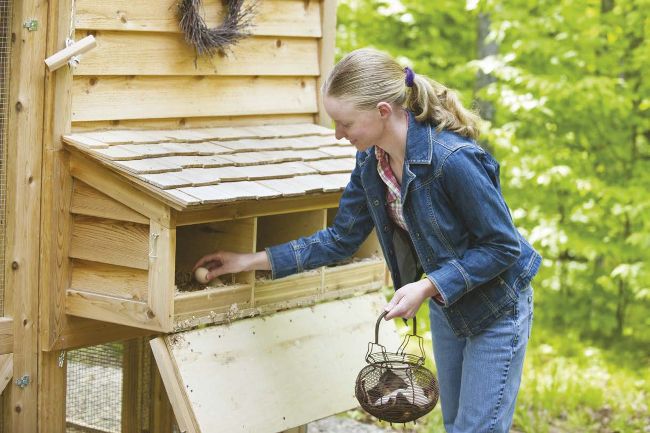
Collect eggs at least twice a day, if possible, especially in hot weather.
Instead, calcium carbonate is the same material found in seashells, coral, chalk, limestone and marble deposits. Calcium carbonate is also an active ingredient in antacids, which has led some enterprising homesteaders to attempt grinding chicken eggshells into a powder for use as home remedies or calcium supplements. (This is best attempted only with proper research, as the eggshells must be disinfected properly and ground into a very fine powder.)
Some folks also utilize the calcium content of crushed eggshells in the garden for a number of purposes. Although the results may be somewhat anecdotal, crushed eggshells have been put to use in nightshade or squash beds to combat blossom end rot or to simply increase the calcium levels in the soil, which plants can utilize to build cell walls. Gardeners also apply crushed eggshells to the surface of the soil as an insect, slug or even cat repellent! Keep in mind, though, it takes a long time for eggshells to break down and become part of the soil.