INTERVIEW
Zed Nelson
Kalum Carter sits down with the winner of the Professional competition of the Sony World Photography Awards 2025
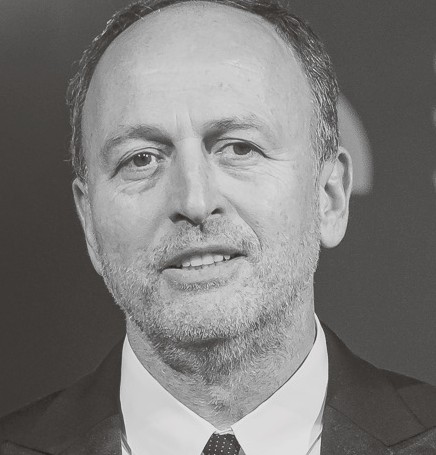
© Courtesy of Creo
Zed Nelson
Documentary photographer and filmmaker
Based in London, Nelson is known for his long-term projects that explore contemporary society. His work has been published and exhibited around the world.
Solo shows of his work have taken place in London, Stockholm and New York, and his work appears in the permanent collection at London’s Victoria & Albert Museum.
Nelson has published three books: Gun Nation, about the US’s love of guns; Love Me, on the global obsession with youth and beauty, and A Portrait of Hackney.
An observation of the area he grew up in during a time of rapid change, this book inspired Nelson to make a feature-length documentary film, The Street (2019).
www.zednelson.com Instagram: @zed_nelson
D ocumentary photographer Zed Nelson was crowned Photographer of the Year at the Sony World Photography Awards 2025 (see Hotshots, page 41) for his thought-provoking project, The Anthropocene Illusion, which topped the Wildlife and Nature category in the Professional competition.
Armed with his Mamiya RZ67 medium-format camera, Nelson’s project spans many continents, capturing humanity’s strained relationship with the natural world and sparking conversation about recognition and change. Nelson received his trophy at a ceremony in London, after which I sat down with him to discuss The Anthropocene Illusion in more detail and explore what it takes to create an award-winning body of work…
Congratulations on your win. Can you give a brief overview of the project?
It’s titled The Anthropocene Illusion. Scientists today are calling for us to name a new epoch, Anthropocene, which means ‘age of humans’. They’re suggesting that we declare it as the human age as a nod towards the impact that humans are having on planet Earth.
In the last 200 years since the industrial revolution, we’ve had a dramatic impact on the planet that will be measurable for millions of years to come in the rock under our feet. It will be in nuclear isotopes, the fallout from burning fossil fuels and cement from the cities that we build. The Anthropocene part is going to be evident for millions of years, but the Illusion part is that, as humans, we’ve divorced ourselves from nature and increasingly damaged or destroyed the natural world. We’ve created an illusion to retreat into, this artificial, choreographed and sanitised version of nature. It’s safe, like a consumer experience, and it’s there to make us feel better, to provide a connection to something we’ve lost. That’s essentially what the project is about.