CANADA DRIVE

Getty Images: Michael Verdoux/EyeEm
Ona sunny, chilly Tuesday morning in Montreal, Patrice Désilets and Jean-François Boivin went for a walk. It was May 2014, and the pair were fresh from losing their project – 1666: Amsterdam, a casualty of THQ’s bankruptcy. Though both had made their names with Assassin’s Creed, they found themselves suddenly independent, unexpectedly building something new in the shadow of the triple-A monoliths they had helped create.
“We were on the street, and met with some of our lawyers, then had lunch at a deli,” Boivin recalls. “The bill came up to $16.66.”
Perhaps it was a sign that their ideas could live outside the big-budget studio system. If so, the gods make shrewd industry analysts. Désilets and Boivin’s company, Panache Digital Games, has since sold more than a million copies of its first game, Ancestors. And though there’s been no announcement, Désilets has made no secret of his plans to direct a new 1666 at Panache. All signs, beginning with that bill, point to an unholy resurrection.
THE CANOPY OF TRIPLE -A STUDIOS COMPETING FOR TALENTGROWS EVER THICKER
The ex-triple-A indies of Montreal aren’t putting too much stock in fate, however. As Andrzej Sapkowski once put it in his Witcher novels:
“Destiny is insufficient. Something more is necessary.” Some developers, including Jade Raymond’s Haven, are leaning on big backers such as Sony. Many are finding ways to band together, using their combined heft to affect change in Quebec’s government. And at least a few rely on a hazy sense of camaraderie – making space for each other as the canopy of triple-A studios competing for talent grows ever thicker above their heads.
Montreal’s birth as a videogame Hollywood is well catalogued, so a recap should be brief. In the late ’90s, a Quebec government looking to offset the decline of the local textiles industry made a bold overture: a publicly funded tax credit scheme. Designed to lure multimedia companies to the province’s largest city, it worked – and then some.
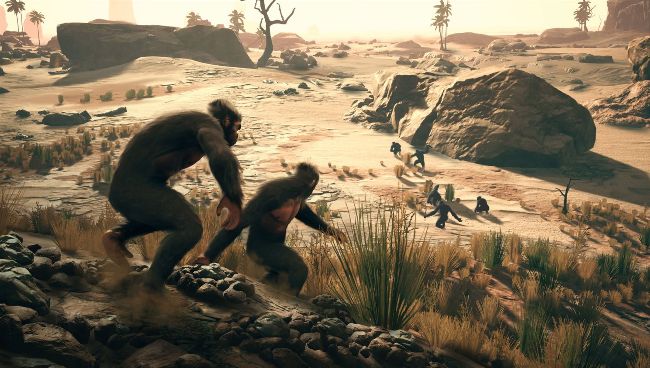
Panache’s Ancestors: The Humankind
Odyssey was criticised for its brutal trial-and-error learning process, but that hasn’t stopped it selling 1m+ copies
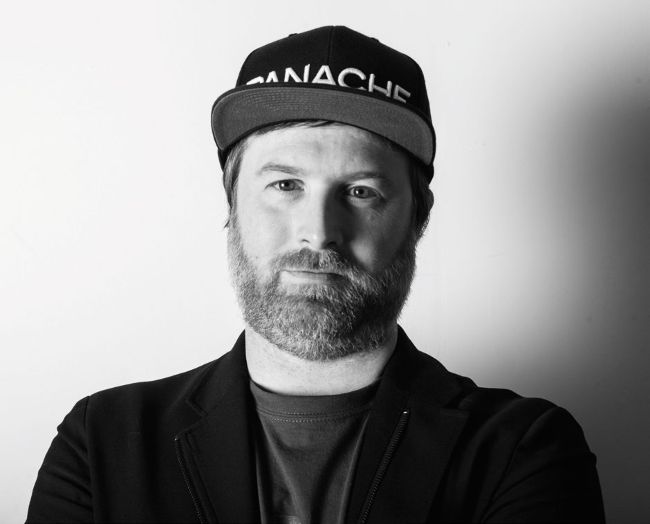
Patrice Désilets, creative director and co-founder, Panache Digital Games
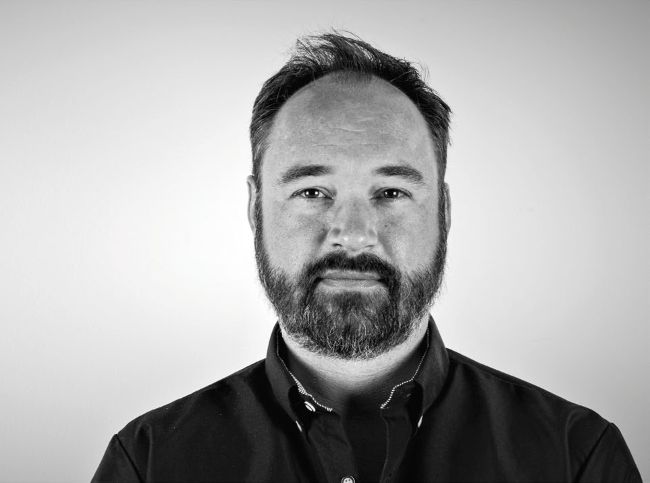
Jean-François Boivin, producer and co-founder, Panache Digital Games
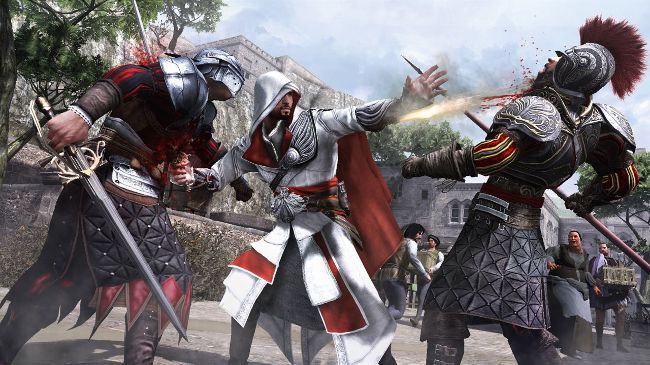
Désilets made his name with the Assassin’s Creed series. A fascination with the way memory is passed down recurs in his work
LONG DISTANCE
While many corporations have stated their intentions to set up new Montreal-based studios in 2021, it remains to be seen just how many of their employees will actually live in the city. The pandemic has fundamentally changed triple-A’s perspective on remote working – and in the long-term this paradigm shift might make a mockery of the geographically rooted big-budget studio. October saw the announcement of Possibility Space, the new company from Undead Labs founder Jeff Strain. Its enviable dev roster, including Half-Life:Alyx’s Jane Ng and Watch Dogs: Legion’s Liz England, is surely made possible by its deeply 2021 approach to online collaboration. Though technically based in New Orleans, Possibility Space employees are free to work from wherever they choose. Local sandwich shops won’t be thanking them for the flexibility.