Rashomon
THE MASTERPIECE
We reassess the greatest films of all time, one film at a time
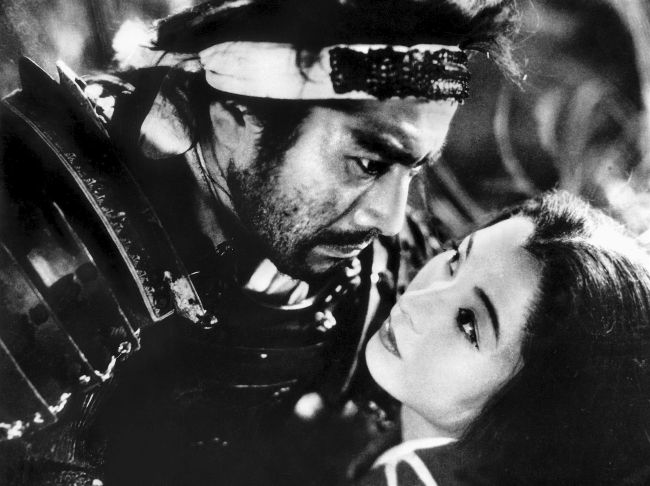
The bandit Tajōmaru (Toshiro Mifune) sets his sights on samurai Takehiro’s wife Masako (Machiko Kyo).
THE ULTIMATE STORY of he said, she said, he said and, er, he said, Rashomon is beyond a masterpiece. It is “the classic film statement of the relativism, the unknowability of truth”, according to critic Pauline Kael. Akira Kurosawa’s 1950 feature concerns the murder of a samurai in 11th-century Japan, the rape of his wife and the contrasting viewpoints of those involved. But it was a defiant battle on the part of the legendary auteur to secure his vision, with the odds against him.
Disappointed by the end product of Scandal, his first 1950 release with Daiei Film studios, about the destructive force of the post-war tabloid press, Kurosawa came across a script by novice screenwriter Shinobu Hashimoto. Based on the short story In A Grove by Ryunosuke Akutagawa, it impressed the filmmaker — but there was something missing. So, Hashimoto and Kurosawa fused the central story and characters from the initial tale with tonal elements and the location of Rashomon, another of Akutagawa’s short stories, into a bold new script with sparse dialogue to present, said Kurosawa, “human beings — the kind who cannot survive without lies to make them feel they are better people than they really are.”