ELECTRICITY BASICS
The science of resistance, inductance and capacitance
WORDS JIM LUCAS
Electronic circuits are an integral part of nearly all the technological advances being made in our lives today. Television, radio, phones and computers immediately come to mind, but electronics are also used in vehicles, kitchen appliances, medical equipment and industrial controls.
At the heart of these devices are active components, or components of the circuit that electronically control electron flow, like semiconductors. However, these devices couldn’t function without much simpler, passive components that predate semiconductors by many decades. Unlike active components, passive components such as resistors, capacitors and inductors can’t control the electron flow with electronic signals.
DID YOU KNOW?
When subjected to an electric field, electrons travel in a conductor at around a millimetre per second
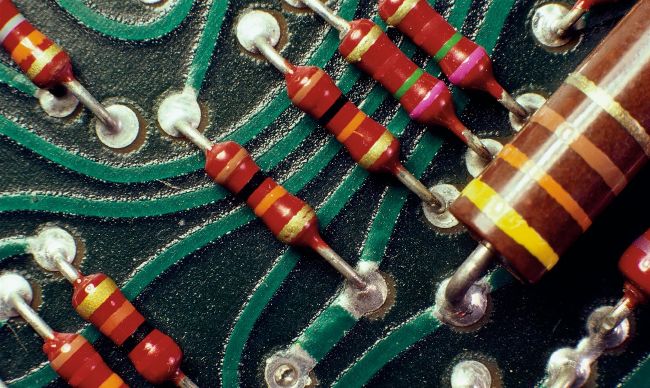
Resistors are used in circuits to reduce current flow
© Getty / Alamy
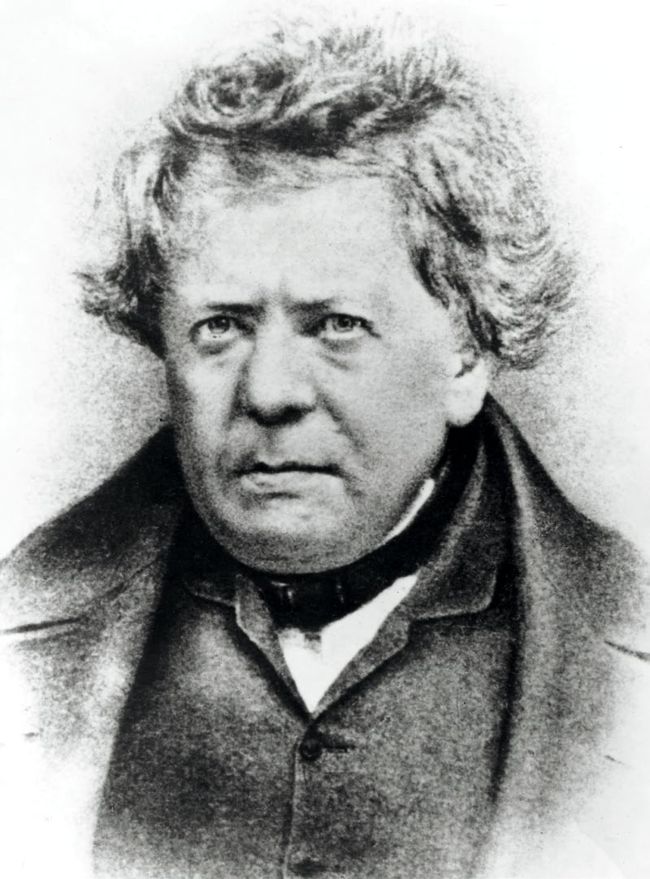
German professor Georg Simon Ohm discovered the relationship between resistance and electric currents
“Electrons are able to skip freely”
RESISTANCE
As the name implies, a resistor is an electronic component that resists the flow of electric current in a circuit. In metals such as silver or copper, which have high electrical conductivity and therefore low resistivity, electrons are able to skip freely from one atom to the next, with little resistance.