WHERE ANGELS PLAY
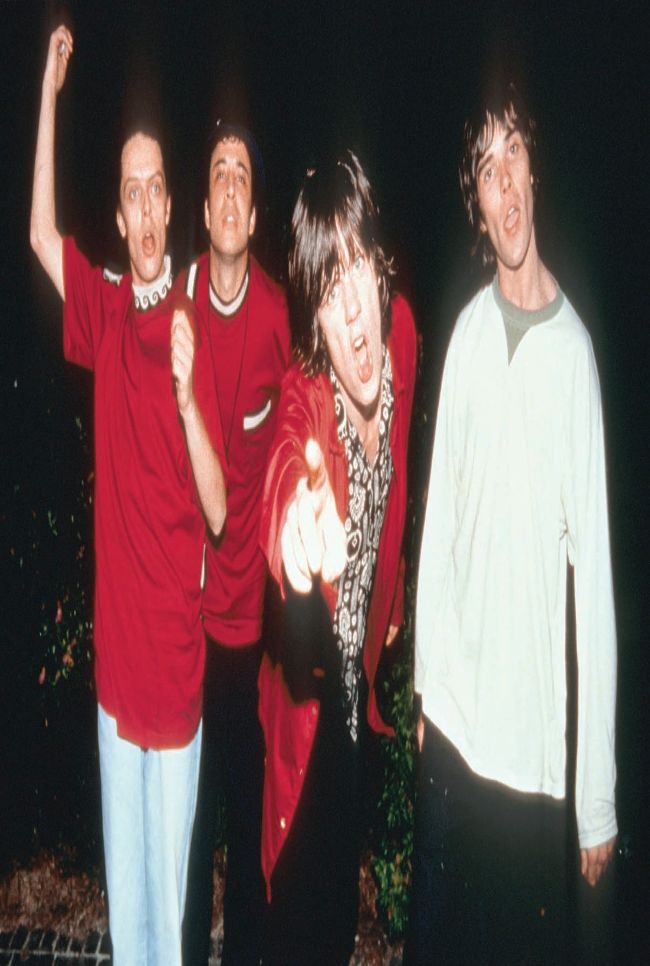
From left to right: Gary ’Mani’ Mounfield, Alan ’Reni’ Wren, John Squire and Ian Brown
© PA Images
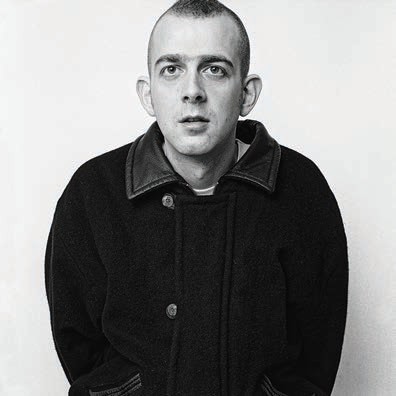
Dave Haslam played gigs with the Roses as DJ support act
© Matt Squire
Before the internet had flickered into existence, nobody had the chance to Google ‘Spike Island’. For those baggies who’d thirstily paid their £14 for a ticket to The Stone Roses’ first gig of 1990, that name sounded thrillingly provocative. What exactly was Spike Island? Was it a real island? Do we have to get a ferry there? And where did the ‘Spike’ come from? Back in 1990, few people outside the redbrick town of Widnes in Cheshire had heard of Spike Island (which wasn’t technically an island as you could walk to it via a series of footbridges). To those in the know, this reclaimed chemical waste site, ringed as it was by hulking great factories and ominous cooling chimneys, hardly evoked mystery and glamour.
Yet to a generation of music fans it’s a name irrevocably tied to The Stone Roses. As singer Ian Brown toyed with an inflatable globe up there on the stage on Sunday 27 May 1990, few were in any doubt as to what the gesture meant. This was a band with the world in their hands. It would only go downhill from here.
The Stone Roses, in the summer of 1990, had their pick of where to stage the biggest gig of their career. But it wasn’t the band’s style to shoot for the obvious. “We wanted to do something outside the rock’n’roll norm and do it in a venue which had never been used for that sort of thing before,” Ian Brown told the NME in 2010. “This was back in the days of raves, remember. We started out doing warehouse parties and still had that mentality where we wanted to play different venues. We wanted to play places that weren’t on the circuit.” Truth is, staging this behemothic, epochal gig at a former toxic waste dump came as much from their chaotic, wildly capricious manager (step forward Gareth Evans) than it was a middle finger to the rock’n’roll establishment. Evans was, in writer John Robb’s words, “the last of the old school managers making it up as he went along”, a manic, volatile huckster more unhinged than the band that he was managing. It was Evans who decided on Spike Island as the location for the Roses’ most ambitious gig to date. After scouting a dizzying array of quarries, caravan parks and speedway tracks (talk of a gig outside Buckingham Palace proved typical Evans bullshit), he settled on this reclaimed waste dump near, as it happens, to where he lived.
It had been just over a year since the Roses had dropped their debut album, an LP of shimmering beauty that seemed to be as beloved by pilled-up ravers as by the pale-skinned C86 kids. Spike Island was hyped as the ultimate coming together of rock and rave, a glorious single-day event that would bottle everything that ‘Madchester’ was about. Albeit 26 miles from Granadaland.
Leggete l'articolo completo e molti altri in questo numero di
Classic Pop
Opzioni di acquisto di seguito
Se il problema è vostro,
Accesso
per leggere subito l'articolo completo.
Singolo numero digitale
Jul/Aug 2020
Questo numero e altri numeri arretrati non sono inclusi in un nuovo
abbonamento. Gli abbonamenti comprendono l'ultimo numero regolare e i nuovi numeri pubblicati durante l'abbonamento.
Classic Pop
Abbonamento digitale annuale
€51,99
fatturati annualmente