Attualmente si sta visualizzando la versione Italy del sito.
Volete passare al vostro sito locale?
Ultima edizione

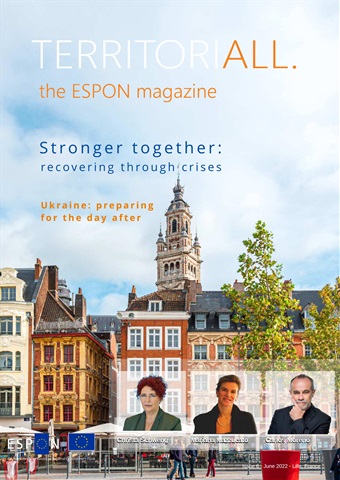
TerritoriALL Magazine Stronger together Edizione posteriore

English
0 Recensioni   •  English   •   General Interest (Education & Literary)
FREE
From the financial crisis to the pandemic and from there to the war in Ukraine, Europe is learning to live with overlapping crises. Resilience has become the new Holy Grail, as policies and tools at the European, national, regional and local level are adjusting or repurposing to address the new needs.
The director of ANCT, Yves Le Breton, explains how territorial issues were placed in the heart of the European debates.
EESC president, Christa Schweng, warns that the European social model needs to hold.
Professor Mariana Mazzucato explains why we need capacities and knowledge in the public sector and well-defined partnerships with the private.
Professor Carlos Moreno believes that the COVID pandemic is an opportunity to make better use of time and space.
DG Regio director, Peter Berkowitz, summarises the successes and the challenges of Cohesion Policy.
Nathalie Sarabezolles, chair of COTER, focuses on the need to safeguard cohesion.
Fransesco Molica, director of CPMR, opens the debate for the post-2027 programming period.
The war in Ukraine reminded us that peace and freedom are not for granted. MEP Urmas Paet analyses the next steps the EU has to take.
Even if the end of the war is not yet close, preparations for the reconstruction of Ukraine have started. The head of the EIB representation in Ukraine, Jean-Erik de Zagon, explains mechanisms that will be used to support the reconstruction of Ukraine. Oleksandr Slobozhan, executive director of the Association of Ukrainian Cities, and Eugenia Maruniak, director of the NAS Institute of Geography of Ukraine, provide insights of how Ukrainians think this reconstruction plan can maximise its results and rebuild a resilient urban environment adapted to the local needs.
More from issue 6: An eye-opening presentation on the impacts of COVID-19 on the European regions, the impact of COVID on the accessibility of services of general interest. Read for even more
read more read less
TerritoriALL Preview Pages TerritoriALL Preview Pages TerritoriALL Preview Pages TerritoriALL Preview Pages TerritoriALL Preview Pages TerritoriALL Preview Pages TerritoriALL Preview Pages

TerritoriALL

Stronger together From the financial crisis to the pandemic and from there to the war in Ukraine, Europe is learning to live with overlapping crises. Resilience has become the new Holy Grail, as policies and tools at the European, national, regional and local level are adjusting or repurposing to address the new needs. The director of ANCT, Yves Le Breton, explains how territorial issues were placed in the heart of the European debates. EESC president, Christa Schweng, warns that the European social model needs to hold. Professor Mariana Mazzucato explains why we need capacities and knowledge in the public sector and well-defined partnerships with the private. Professor Carlos Moreno believes that the COVID pandemic is an opportunity to make better use of time and space. DG Regio director, Peter Berkowitz, summarises the successes and the challenges of Cohesion Policy. Nathalie Sarabezolles, chair of COTER, focuses on the need to safeguard cohesion. Fransesco Molica, director of CPMR, opens the debate for the post-2027 programming period. The war in Ukraine reminded us that peace and freedom are not for granted. MEP Urmas Paet analyses the next steps the EU has to take. Even if the end of the war is not yet close, preparations for the reconstruction of Ukraine have started. The head of the EIB representation in Ukraine, Jean-Erik de Zagon, explains mechanisms that will be used to support the reconstruction of Ukraine. Oleksandr Slobozhan, executive director of the Association of Ukrainian Cities, and Eugenia Maruniak, director of the NAS Institute of Geography of Ukraine, provide insights of how Ukrainians think this reconstruction plan can maximise its results and rebuild a resilient urban environment adapted to the local needs. More from issue 6: An eye-opening presentation on the impacts of COVID-19 on the European regions, the impact of COVID on the accessibility of services of general interest. Read for even more


SELEZIONARE IL FORMATO:
Accesso immediato

Offerte digitali disponibili:

Singolo numero arretrato digitale Stronger together
 
LIBERO
LEGGI
Questo numero e gli altri numeri arretrati non sono inclusi in un TerritoriALL abbonamento. Gli abbonamenti includono l'ultimo numero regolare e i nuovi numeri usciti durante l'abbonamento e partono da un prezzo minimo di
Purtroppo questa testata non pubblica più nuovi numeri. È ancora possibile acquistare i numeri arretrati, oppure scorrere verso il basso per visualizzare altri titoli che potrebbero interessarvi.
I risparmi sono calcolati sull'acquisto comparabile di singoli numeri su un periodo di abbonamento annualizzato e possono variare rispetto agli importi pubblicizzati. I calcoli sono solo a scopo illustrativo. Gli abbonamenti digitali includono l'ultimo numero e tutti i numeri regolari pubblicati durante l'abbonamento, se non diversamente indicato. L'abbonamento scelto si rinnoverà automaticamente a meno che non venga annullato nell'area Il mio account fino a 24 ore prima della scadenza dell'abbonamento in corso.

TerritoriALL issue Stronger together

TerritoriALL  |  Stronger together  


From the financial crisis to the pandemic and from there to the war in Ukraine, Europe is learning to live with overlapping crises. Resilience has become the new Holy Grail, as policies and tools at the European, national, regional and local level are adjusting or repurposing to address the new needs.
The director of ANCT, Yves Le Breton, explains how territorial issues were placed in the heart of the European debates.
EESC president, Christa Schweng, warns that the European social model needs to hold.
Professor Mariana Mazzucato explains why we need capacities and knowledge in the public sector and well-defined partnerships with the private.
Professor Carlos Moreno believes that the COVID pandemic is an opportunity to make better use of time and space.
DG Regio director, Peter Berkowitz, summarises the successes and the challenges of Cohesion Policy.
Nathalie Sarabezolles, chair of COTER, focuses on the need to safeguard cohesion.
Fransesco Molica, director of CPMR, opens the debate for the post-2027 programming period.
The war in Ukraine reminded us that peace and freedom are not for granted. MEP Urmas Paet analyses the next steps the EU has to take.
Even if the end of the war is not yet close, preparations for the reconstruction of Ukraine have started. The head of the EIB representation in Ukraine, Jean-Erik de Zagon, explains mechanisms that will be used to support the reconstruction of Ukraine. Oleksandr Slobozhan, executive director of the Association of Ukrainian Cities, and Eugenia Maruniak, director of the NAS Institute of Geography of Ukraine, provide insights of how Ukrainians think this reconstruction plan can maximise its results and rebuild a resilient urban environment adapted to the local needs.
More from issue 6: An eye-opening presentation on the impacts of COVID-19 on the European regions, the impact of COVID on the accessibility of services of general interest. Read for even more
Per saperne di più leggere di meno
TerritoriALL magazine is published by the ESPON EGTC.
In our issues, high-level politicians, local and national policymakers, researchers and academics present their views on different topics related to the EU development policies and their impact on Europe’s regions and cities.

Come abbonati riceverete i seguenti vantaggi:


•  Uno sconto sul prezzo di vendita della rivista
•  Nuove edizioni consegnate sul tuo dispositivo il giorno stesso dell'uscita
•  Non perderete mai un numero
•  Siete protetti dagli aumenti di prezzo che potrebbero verificarsi nel corso dell'anno

Riceverete 4 edizioni durante un periodo di 1 anno TerritoriALL abbonamento alla rivista.

Nota: le edizioni digitali non includono gli articoli di copertina o i supplementi che si trovano nelle copie stampate.

Il vostro acquisto su Pocketmags.com può essere letto su una delle seguenti piattaforme.


Potete leggere qui sul sito web o scaricare l'applicazione per la vostra piattaforma, ricordandovi di effettuare il login con il vostro nome utente e la vostra password Pocketmags.

Apple Pocketmags Online Pocketmags Google Pocketmags
L'applicazione Pocketmags funziona su tutti i dispositivi iPad e iPhone con iOS 13.0 o superiore, Android 8.0 o superiore e Fire Tablet (Gen 3) o superiore. Il nostro web-reader funziona con qualsiasi browser compatibile con HTML5, per PC e Mac si consiglia Chrome o Firefox.

Per iOS consigliamo qualsiasi dispositivo in grado di eseguire l'ultima versione di iOS per migliorare le prestazioni e la stabilità. I modelli precedenti con processore e RAM inferiori possono presentare un rendering delle pagine più lento e occasionali arresti anomali dell'app, che non rientrano nel nostro controllo.
N/A
Basato su 0 Recensioni dei clienti
5
0
4
0
3
0
2
0
1
0
Visualizza le recensioni

Articoli in questo numero


Di seguito una selezione di articoli in TerritoriALL Stronger together.

Chat
X
Supporto Pocketmags