FILE UNDER...
Green Machine
Black and white united in their enthusiasm for the olive/magenta label from Philly.
By Jim Irvin.
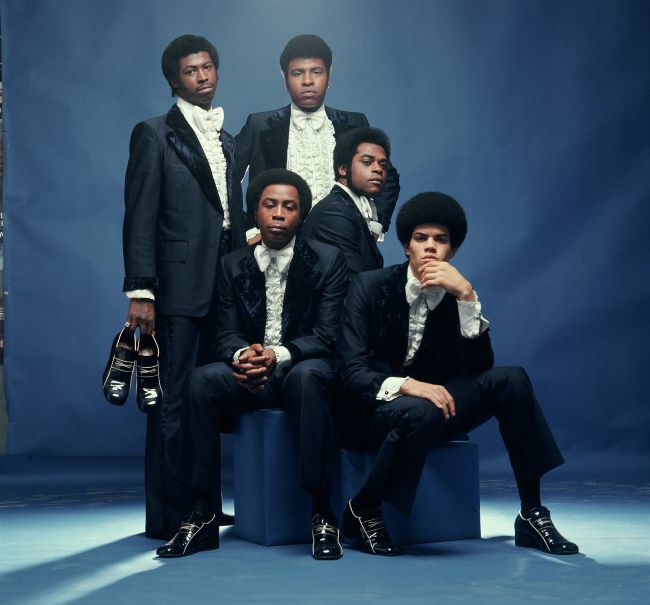
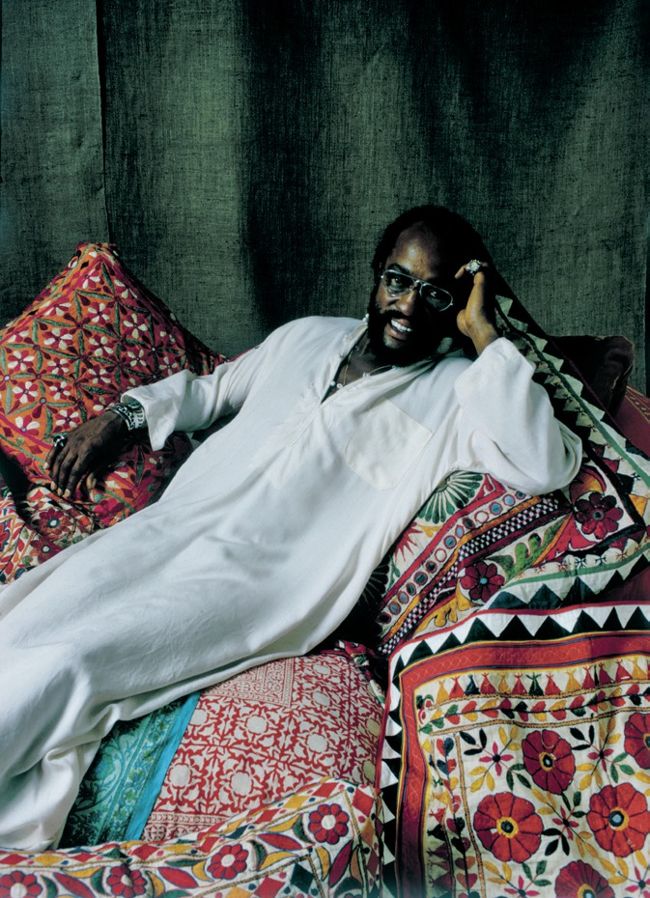
Philly love songs: PIR mainstays (clockwise from left) Harold Melvin & The Blue Notes, Kenny Gamble and Billy Paul.
Sony BMG Music Entertainment (3)
TO MAKE headway in the predominantly white music business of Philadelphia – having been effectively excluded from outlets like the Cameo-Parkway label (home of The Twist and other dancecraze smashes) – Kenny Gamble & Leon Huff had to create their own business, setting up labels Neptune and Gamble, finding studio Sigma Sound and its brilliant engineer Joe Tarsia, and hiring a team of gifted arrangers, Thom Bell, Bobby Martin, Lenny Pakula, plus musicians who could cut hits with efficient regularity. It took years to perfect – they’d struggled partly because they weren’t natural businessmen, simply wanting to write and record music – but suddenly fell into place when, in 1968, they mined gold on Gamble with the sixth single by their first signings, The Intruders’ Cowboys To Girls, going Number 1 R&B and Number 6 Pop on Billboard’s charts. That swung the industr y’s spotlight their way. Atlantic hired Gamble & Huff to produce Archie Bell and Dusty Springfield, and Columbia/CBS, anxious to get into the crossover R&B market, brought them Laura Nyro and, eventually, in 1971, offered to bankroll Philadelphia International Records, with an emphasis on creating cohesive (and lucrative) albums and putting the might of Columbia’s distribution network behind them.