THE MOJO INTERVIEW
Fronting the ’60s’ most anomalous band, he was a choirboy among “pirates and brigands”. A Zombie and a gentleman in 2023, his remains a unique path through rock’n’roll. “The less I try, the more successful I am,” reckons Colin Blunstone.
Interview by JIM IRVIN
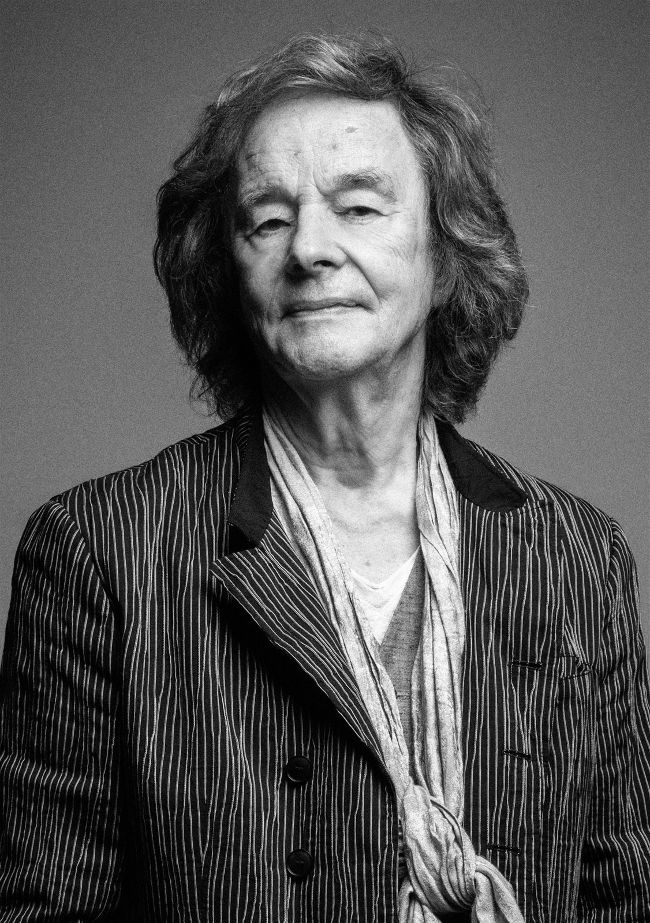
• Portrait by ALEX LAKE
DECEMBER 23, 1963. THE ZOMBIES ARE appearing at the Market Hall in their hometown, St Albans. They’re becoming the town’s buzziest beat group, having played 25 gigs in the last 12 weeks of the year, all local, in venues including the Waverley Youth Club and the Girls Grammar School, occasionally venturing to neighbouring Hitchin or Luton, but yet to play a significant show out of town. They can’t possibly guess that in exactly a year’s time, on December 23, 1964, they will be sitting on a plane to New York because their first single for Decca records, She’s Not There, will have hit Number 1 on America’s Cashbox charts.
It’s an extraordinary recording with an attention-grabbing bass line, a choppy, almost Latin drum part and a suggestion of jazz to it, driven by its composer, 19-year-old Rod Argent, on his Hohner Pianet electric piano, an unusual sound in pop at this point. Singer Colin Alex Lake, Biff Blumfumgagnge
Blunstone is apparently an R&B-tutored choirboy, beginning coolly, breathily, with the memorable line, “Well, no one told me about her…” but ending the choruses in an urgent falsetto, all gulps and gasps as if he might collapse from teenage emotion. Critic Ian MacDonald called it “one of the maddest vocals ever carved in vinyl.” The single pricks up the ears of George Harrison on Juke Box Jury. It transfixes a 13-year-old Tom Petty and his brother as they get ready for school. It influences The Turtles and the nascent Doors. Five schoolkids from genteel St Albans, trying out this pop lark before university or proper jobs beckon, are suddenly vaulted to the toppermost of the poppermost.
Following that, the only available direction is down. After years of touring and a few more successes around the world, though less chart action at home, The Zombies are feeling tired and underappreciated. They have one ambition to fulfil, to produce their own album of original material. They sign to CBS in 1967 and go into Abbey Road’s Studio 3 to make Odessey And Oracle. It’s terrific work, but isn’t a success, and soon after its completion Colin Blunstone is leaving showbiz for a steady job in insurance.
But, via a picaresque route, The Zombies prevail. Blunstone, now in his late seventies – his face sculpted with experience, his hair surprisingly luxuriant, his voice youthful and softly-spoken – is charming company. He’s facing the media for the launch of the seventh Zombies studio album, Different Game, two days before a rare UK tour, still jetlagged after a lengthy series of American shows where, he points out delightedly, they’re playing in front of gratifyingly young crowds numbering up to 7,000 a night. Though he admits they can’t last for ever, he still finds performing vivifying. “You come off stage on an occasion like that and you’re flying.”
This new album is full of energy. What brought it on?
Our induction into the Rock and Roll Hall of Fame [in 2019]. It seemed as though the band was playing absolutely at its best and then we were involved in this wonderful evening of musical celebration. We ended up in the studio and decided to record with all of us in the room together so that we’re working off one another’s energies, and it really does make a difference.
Do you feel you still have something to prove?
Yes. Perhaps in a more relaxed way than I used to feel it. You can always improve, always learn.
I’d imagine you’re coming from a different direction with the writing than you were in your twenties.
Of course. I think it’s a bit unbecoming for someone in the autumn of their career to be singing trivial love songs.